
Last updated November 17, 2026
 Home additions & ADU
 Kitchen remodeling
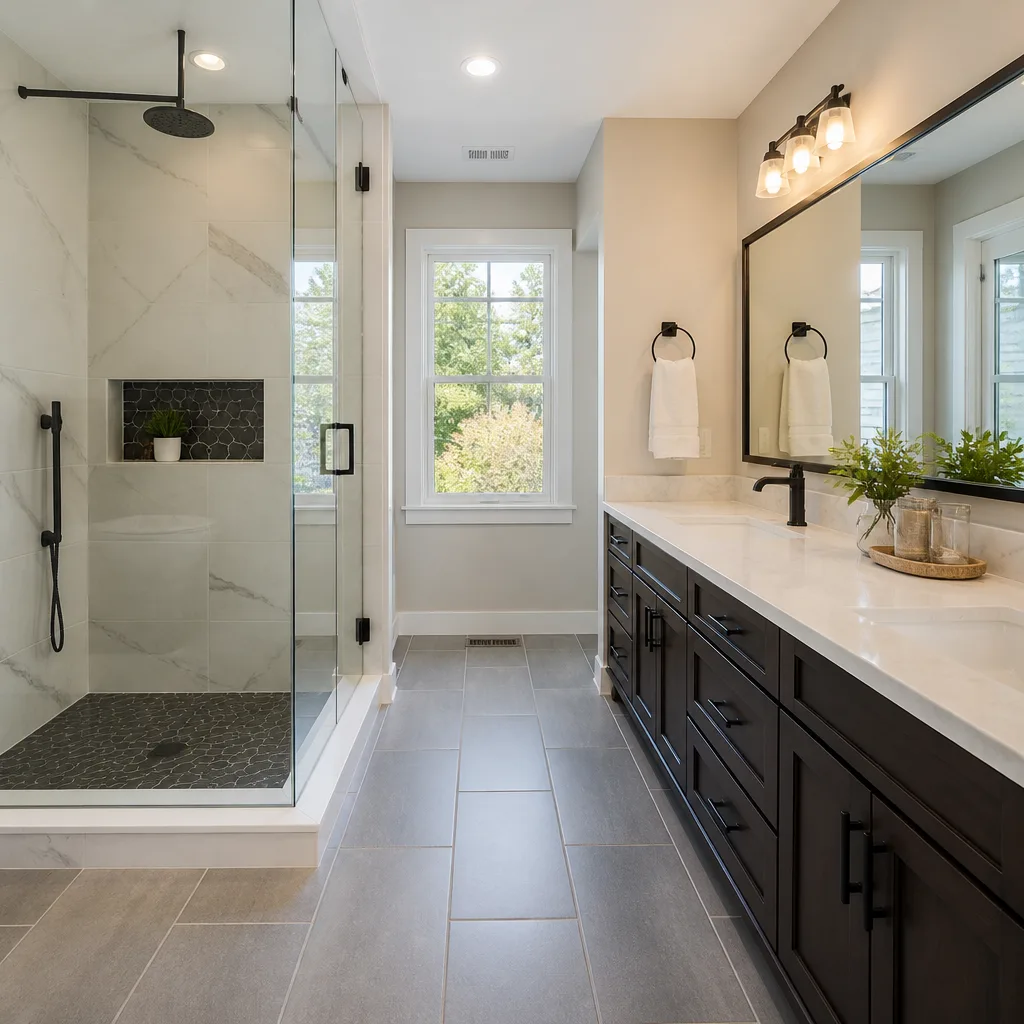 Bathroom remodeling
 Roofing
 Windows & doors
 Driveway & pavers
 Fence
Free written scope consultation - allowances, timeline, and change-order rules on paper before a single trade is scheduled
DIY vs Professional Construction: The Mesquite Homeowner’s Decision Guide
Most homeowners assume the DIY-versus-pro question comes down to skill. It doesn’t. In Mesquite, the real dividing line is often legal and structural: some work you can pull a permit for yourself and some you can’t, and some of it sits underground in clay soil where a mistake stays invisible until it fails. Take electrical. Texas lets a homeowner do electrical and plumbing work on their own primary residence, but if the work in Mesquite doesn’t pass inspection, the city can require a licensed contractor to redo it before it issues a certificate of occupancy, and you cover that cost. This guide walks through which projects are fair game, which ones carry genuine risk no matter how handy you are, and how to blend the two so the budget stays under control.
Quick Answer
In Mesquite, DIY makes sense for cosmetic and non-structural work you’re confident in: demolition, interior painting, landscaping, and finish details. It stops making sense the moment a project touches structure, the building envelope, or anything the city inspects, and it’s a poor bet on concrete flatwork, fence footings, and grading where Mesquite’s expansive clay soil hides subgrade failure until after the pour. If you’re on the fence about a specific project, get a free written estimate first so you can compare real numbers before you decide.
Styles & brands we work with
- Kitchen remodeling
- Bathroom remodeling
- Home additions & ADU
- Roofing
- Windows & doors
- Driveway & pavers
- Fence
Table of Contents
- Where Mesquite Draws the Permit Line
- Why Mesquite’s Clay Soil Changes the DIY Math
- Warranties and Insurance: The Hidden Cost of DIY
- A Realistic Skill and Tool Assessment
- Category by Category: The Five Most Common Projects
- The Hybrid Model: Sweat Equity Where It Counts
- Roofing and the Building Envelope
- Working With a Contractor in Mesquite
Where Mesquite Draws the Permit Line
The permit question separates DIY and pro work more cleanly than any skill test. In Mesquite, as across Texas, a homeowner can generally act as their own contractor on their primary residence and pull permits for certain work on their own home, while other categories require a licensed trade to pull the permit and perform the work. The city’s building department is the authority here, and the rules are specific enough that you should confirm every project before you swing a hammer. We’ve seen homeowners start a job confident they could self-permit it, only to learn mid-build that the inspection requires a licensed contractor’s signature.
Here’s the practical breakdown of how permit categories usually sort out in Mesquite:
- Owner-builder work that’s typically allowed on your primary residence: remodels within the existing footprint, finish and cosmetic changes, fences over the standard height threshold, and flatwork like a driveway or patio.
- Work that generally requires licensed trades: electrical beyond a simple fixture swap, gas line work, and plumbing changes that involve the supply or drain system. These carry code requirements the inspection process enforces tightly.
- Structural changes: removing a load-bearing wall, adding square footage, or altering framing. These need engineering and a licensed contractor, and the inspection is where shortcuts surface.
- Roofing and the building envelope: roof replacements and window and door replacements, where the install affects weather-tightness and the permit ties to the inspection.
The pattern matters for planning: if a project touches structure, mechanical, electrical, or plumbing systems, the permit line usually puts it on the professional side. Cosmetics and surface work typically land on the DIY side. For anything larger, like adding living space, our home additions & ADU service handles the engineering, permits, and inspection sequence in one contract. Before any project, a quick call to the Mesquite building department confirms exactly which category you’re in.
Why Mesquite’s Clay Soil Changes the DIY Math
Concrete flatwork, fence footings, and drainage grading are the three areas where Mesquite’s clay soil makes DIY genuinely risky, and the risk has nothing to do with your skill with a trowel. Expansive clay shrinks and swells with moisture, which means a concrete slab or a fence post is only as good as the subgrade underneath it. The problem is that subgrade failure stays invisible until it’s too late to catch. You can’t see the problem before the pour, and by the time it shows, you’re tearing out finished work.
A professional crew handles this with preparation and sequencing a homeowner rarely has tools for:
- Assessing the subgrade before forming. Compacted, properly prepared soil under a slab is what keeps it from cracking and settling in clay, and getting that right takes equipment and experience reading the site.
- Setting fence posts at the right depth with proper concrete. In Mesquite’s clay, a shallow post footings can heave or loosen, and the fence fails at the base rather than the panel.
- Grading for drainage away from the house. Water that pools at the slab or along a fence line is the leading driver of foundation problems here. Grading is a calculation, not a guess.
- Pouring at the right thickness and curing correctly. A driveway or patio that’s too thin or cured wrong cracks in a season.
None of this is a knock on doing it yourself. It’s simply that clay hides its failures. When a driveway or patio is on the list, our driveway & pavers work is built around subgrade prep and drainage. The same logic applies to fences: we talk through it in fence installation, where footing depth and the clay are the whole game. Understanding the soil under the project is the first step either way, DIY or professional.
Warranties and Insurance: The Hidden Cost of DIY
DIY work on roofing, structural framing, or plumbing can void manufacturer warranties and complicate homeowner’s insurance coverage, and homeowners usually don’t find that out until they need to make a claim. The logic is straightforward: a manufacturer’s warranty covers a system installed correctly by a qualified installer, and your insurance policy is priced around assumed professional workmanship. When work is done outside that assumption, you own the gap between what the policy covers and what the repair costs.
The common warranty and insurance issues to know about:
- Roofing: most manufacturer warranties on shingles and roofing materials require installation by a qualified or approved installer. Install it yourself, and a leak six years later may fall entirely on you. Our roofing work is backed by our familiarity with leading lines like GAF, CertainTeed, and Owens Corning.
- Structural framing: if a DIY framing change precedes a foundation issue or a settlement problem, an insurer may deny the related claim. Structural work is where this carries the most weight.
- Plumbing: a DIY plumbing repair behind a wall can fail slowly and cause water damage, and insurers can treat unpermitted, unlicensed work differently during a claim.
- Fire and water damage: electrical and plumbing work done without permits and inspections can put coverage of resulting damage into question. A permit and inspection record protects you.
The protection rule is simple: get a permit, get it inspected, and get the receipt. Professional work comes with a warranty relationship and an inspection trail that DIY work lacks. On anything with a real warranty attached, the peace of an inspected job beats the savings.
A Realistic Skill and Tool Assessment
Before you commit to a project, do an honest self-assessment on two axes: skill and tools. Be specific about both, because “I’m pretty handy” doesn’t answer the question. The categories that separate capable DIY from skilled trades are precision, code knowledge, and having the right tool for the job, not just enthusiasm. If a homeowner is missing any of those for a project, that project is a pro job.
The framework we’d suggest, across five common home-improvement categories:
- Demolition and removal: capable DIY for most homeowners with basic tools. Low risk, high sweat equity, and a permission-free way to cut project costs.
- Interior painting and finish work: capable DIY if you have the patience for prep and trim. The results show up in the details, and the tools are affordable.
- Landscaping and grading the yard: the planting and surface work is DIY; the grading that directs water away from the house is a professional call.
- Plumbing, electrical, and HVAC: skilled trades. These are code-driven, inspection-driven, and a mistake can be dangerous, so the trained-professional line holds.
- Roofing, structural framing, and window or door replacement: skilled trades. These are also physically hazardous and warranty-critical, so leave them to the pros.
One more honest check: the tools. Concrete, roofing, and structural work each require equipment that most homeowners don’t own and shouldn’t buy for one job. If the tool cost approaches the labor cost, you’re not saving money doing it yourself. That reality check usually settles the question faster than anything else.
Category by Category: The Five Most Common Projects
Here’s how the DIY-versus-pro line falls out on the five projects Mesquite homeowners ask about most. The pattern holds: anything structural, anything the city inspects, and anything where the failure sits hidden underground goes to the pros. The rest is fair game for a capable homeowner.
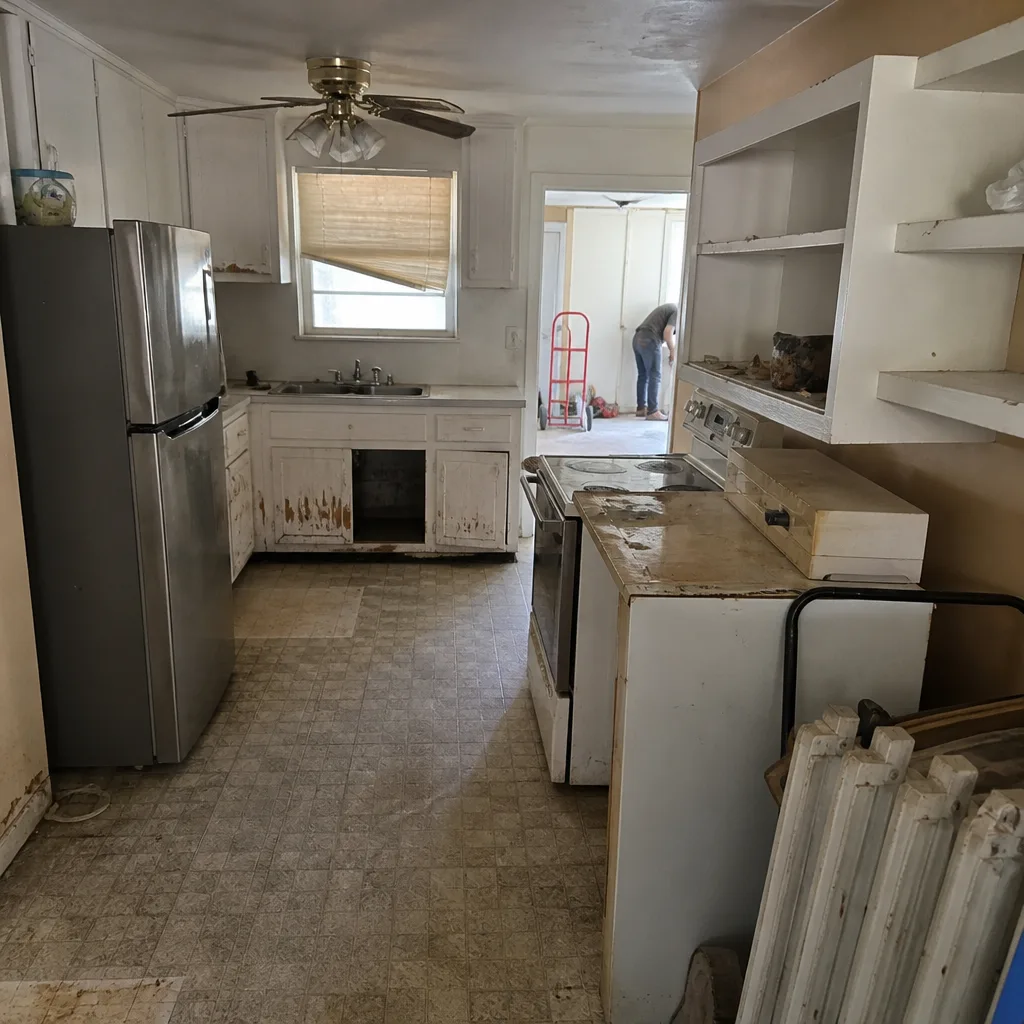
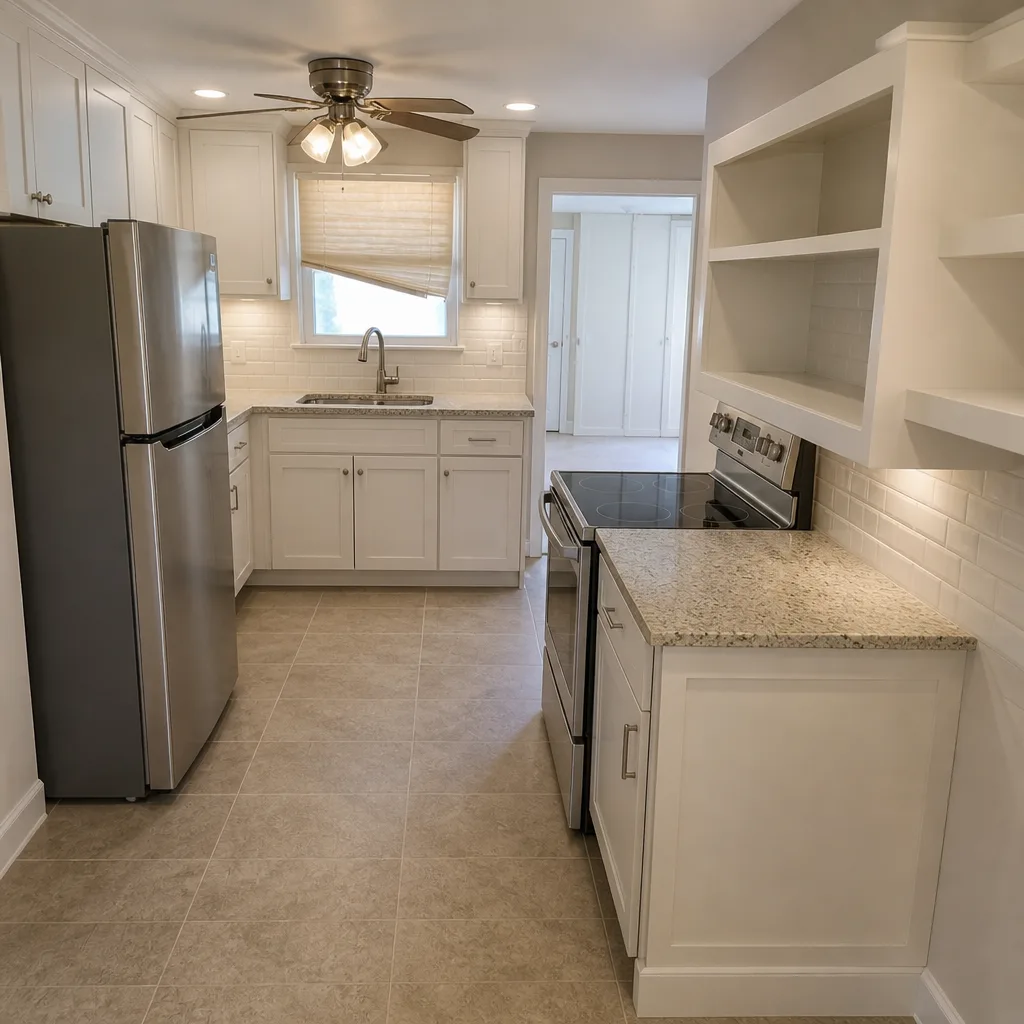
- Kitchen remodel: demo and painting are DIY; the build is pro. A kitchen gut touches plumbing, electrical, and cabinetry installation. When we handle one, the cabinetry comes from lines like Wellborn, and the counters from Silestone, so the material quality is set before installation begins. For a full kitchen, a written estimate is the only number you can trust.
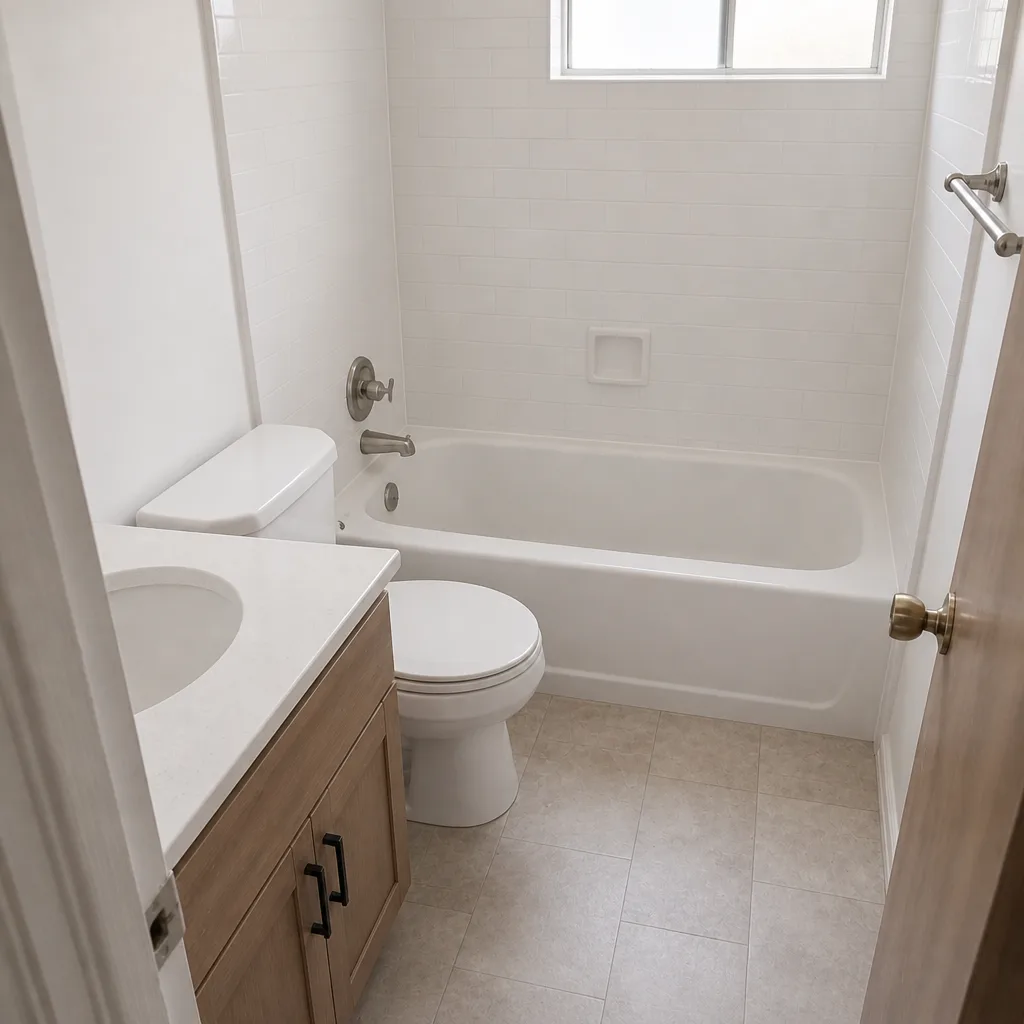
- Bathroom remodel: demo is DIY, the rest is pro. Waterproofing, tile work, and fixture installation carry code and moisture risk, and the smallest room in the house carries the biggest hidden-water stakes.
- Windows and doors: professional. The install affects energy performance, weather-tightness, and warranty, and it isn’t a project for a first-timer. Our window work draws on impact-rated and energy-efficient lines.
- Fence installation: footing dependent. The panel work is within reach for a homeowner; the footing depth and clay soil are where fences fail. Our fence work draws on top-tier lines like Master Halco and Ameristar.
- Driveway and pavers: professional. Subgrade, drainage, and compaction in Mesquite’s clay make the foundation of a driveway the whole job, and it happens before the pavers go down.
Notice the recurring theme in the categories that are DIY: they’re surface work you can see and fix. The categories that are pro are the ones where failure hides. For a bathroom or kitchen where the material quality is half the value, our Construction Mesquite team helps you choose brands before any work starts.
The Hybrid Model: Sweat Equity Where It Counts
The most cost-effective approach for most projects is a hybrid: take on the demo, painting, and landscaping yourself, and hand structure, mechanical, electrical, plumbing, and the building envelope to professionals. This controls total project cost without stepping on the parts that carry real risk. It also keeps you inside the permit and inspection system for the work that requires a licensed contractor, so the inspection doesn’t come back to bite you.
A practical hybrid sequence for a larger project:
- Plan the split first. Before work starts, agree on what you’re doing and what the contractor is doing, and write it down. A written line-item scope makes the split clear and keeps the contract clean.
- Do the demolition. The best sweat equity in any remodel. You save labor cost, and a licensed crew comes in to start the build on a clean site.
- Hand off the structure and MEP. Framing, electrical, plumbing, and HVAC stay with the trades. These are the parts the city inspects and the parts where warranties live.
- Take back the finish work where you’re comfortable. Painting, trim, and landscaping are yours to finish, and the savings go into the material choices that last, like Cambria or Caesarstone counters or the cabinetry line.
Where the hybrid model gets messy is coordination: your demo date depends on the contractor’s start date, and the finish work depends on the build being done. Working with one contractor who handles scope from the outside in keeps the schedule without the hand-offs falling through.
Roofing and the Building Envelope
Roofing is the one category where the answer is almost always professional, and it’s not just about the pitch of the roof. The work is physically hazardous, the warranty depends on qualified installation, and the permit ties to an inspection that protects the value of your home. A homeowner on the roof is taking a real fall risk, and a homeowner doing roofline work on a tile or shingle roof is taking on a system that has to shed water correctly for a decade or more. That’s not a place to save money.
The building envelope includes the roof, windows, doors, and exterior siding, and it’s all one connected system. A window installed wrong leaks into a wall, and a roof installed wrong starts as a stain on a ceiling. These are the failures you can’t watch coming. Our work draws on the leading roofing lines, and window installations from PGT, CGI, and ECO Window Systems are specific to this environment and to our scope, not builder-grade defaults.
The safety note is not a scare tactic: high work on a roof or a second-story window calls for trained professionals every time. If a leak is already active, call (844) 761-6059. We answer 24/7. Fast dispatch from 7am to 7pm, Sunday through Friday. If the roof needs replacement rather than an emergency patch, that’s a planned project and starts with a free written estimate.
Working With a Contractor in Mesquite
If you decide a project needs a professional, the next decision is which contractor. A full-scope contractor means one point of accountability, one contract, and one warranty relationship across the whole project, rather than juggling a roofer, a window installer, and a kitchen crew on separate schedules. We handle seven service lines in Mesquite: roofing, windows and doors, kitchen remodeling, bathroom remodeling, home additions and ADU, fence installation, and driveway and pavers. Our technicians have up to 13 years of experience, and we’ve been serving Mesquite since 2013.
What to expect from a contractor who is set up for the full project:
- A written, line-item estimate before any work starts. The estimate sets the price, and we don’t move the number once work begins. Fixed pricing, no change orders for scope you’ve already approved.
- Permits pulled and inspections passed. The inspection record protects your home and your insurance claim later.
- Brand selection as a service. We help you choose from name-brand options in every category rather than leaving you to research and procure materials alone.
- One contract, one warranty relationship. The roof and the kitchen are the same relationship, so a warranty question doesn’t send you hunting for the right vendor.
For an addition or an ADU, we offer both prefab-platform options and fully custom builds, which gives you flexible budget and timeline paths. For everyday remodels, we build from recognizable lines so the quality standard holds across the whole project. The point of the full-scope model is simple: one contractor, every project phase, and no gap where the responsibilities meet.
Common Mistakes to Avoid
- Starting a project before confirming the permit category. A homeowner who begins electrical or a load-bearing wall change before confirming with the Mesquite building department can be required to have a licensed contractor redo it at their own cost. Confirm first, then build.
- Pouring concrete without assessing subgrade. In Mesquite’s clay, a slab that looks fine can crack within a season if the soil underneath wasn’t prepped. The subgrade is the part you never see and the part that fails first.
- Setting fence posts too shallow for the soil. A fence looks great on install and loosens at the base a year later because the footings weren’t deep enough for the clay. Footing depth is not a place to improvise.
- Doing warranty-critical work yourself and losing the warranty. A roof or a window installed outside the manufacturer’s install requirements can leave you with no coverage on the one part you can’t easily fix. Check the warranty terms before you swing anything.
- Skipping the permit to save time. Unpermitted work can complicate a future sale and put an insurance claim at risk. The permit is the record that protects you.
- Buying tools that cost nearly what the labor would. If the specialty tool for a one-time job approaches the labor cost, the DIY savings disappear. Run the numbers before you buy.
- Grading by feel instead of calculation. Water that pools at the slab or along a fence line causes foundation trouble over months. Grading needs to be calculated, not eyeballed.
See the difference
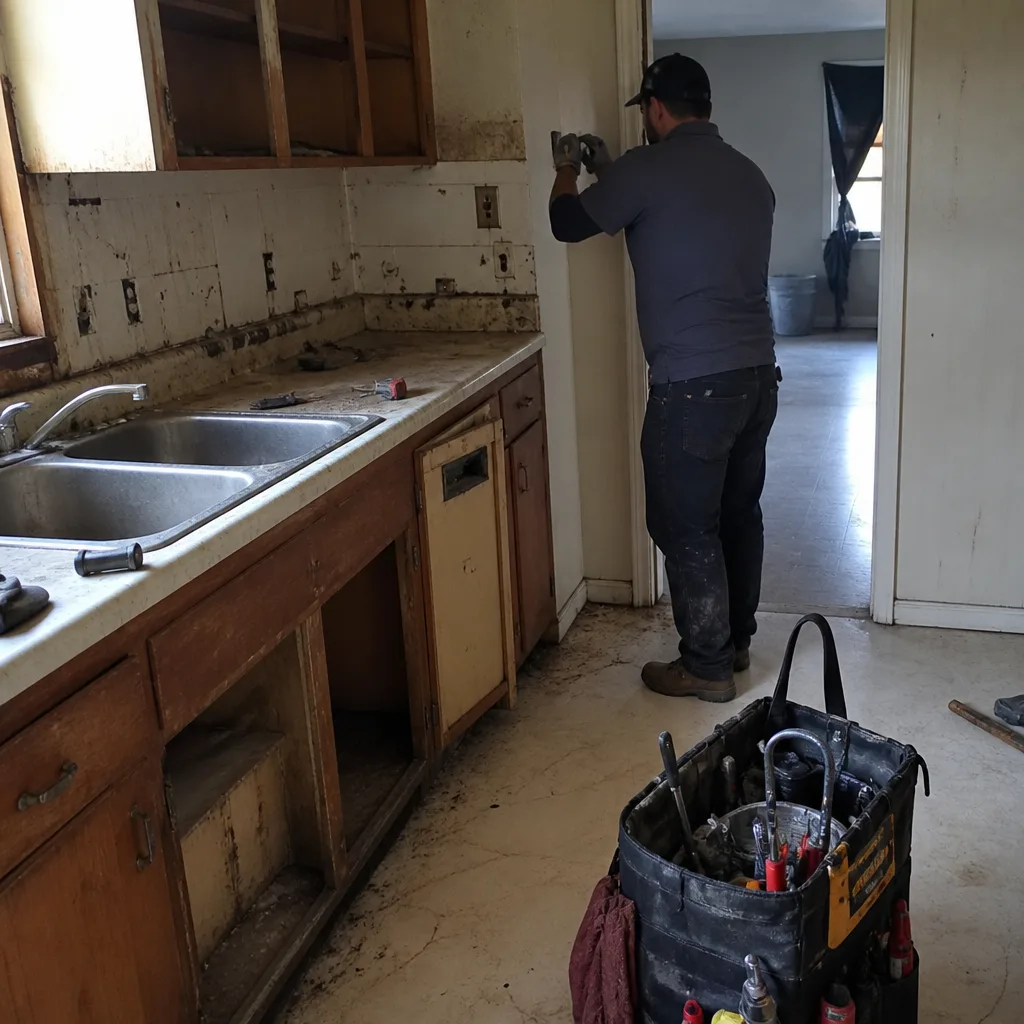 Before
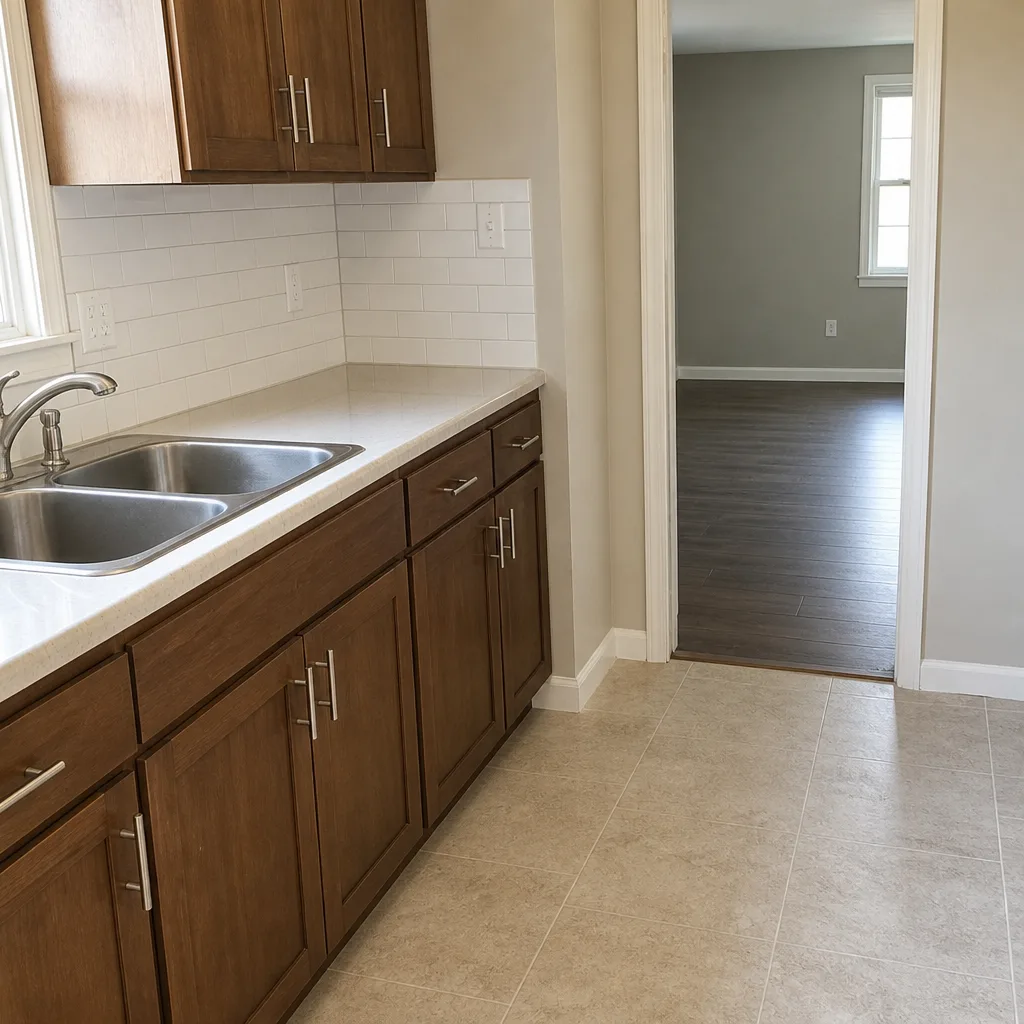 After
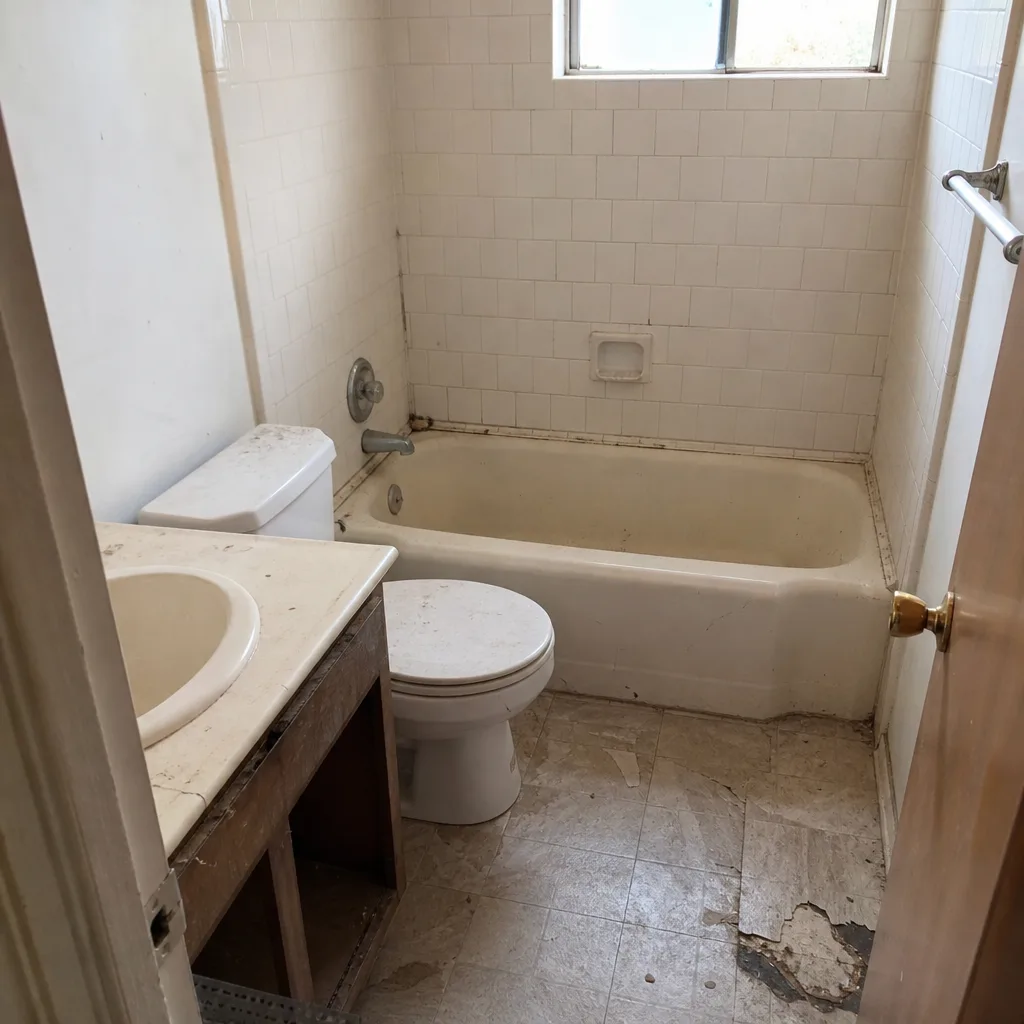 Before
 After
 Before
 After
When to Call a Professional
Call a professional when a project touches structure, mechanical, electrical, or plumbing systems, when it changes the building envelope, when it needs a permit that requires a licensed trade, or when the failure would sit underground or behind a wall where you can’t catch it. Those are the projects where a redo costs far more than the labor you tried to save. Call a professional, too, when a leak is active or when a roof or second-story window needs work and the height alone is a hazard. And call when the project is a remodern that’s outside your tools and time, because a written estimate tells you whether DIY is actually saving anything.
Construction Mesquite offers free estimates in Mesquite. Call (844) 761-6059. We answer 24/7. Fast dispatch from 7am to 7pm, Sunday through Friday, and we’re closed Saturday. A written, line-item quote before work starts tells you exactly what the project costs, so you can decide with real numbers.
Frequently Asked Questions
Yes, in some cases a homeowner can act as their own contractor and pull permits for work on their primary residence, but not for every category. Electrical, plumbing, gas, and structural work generally require licensed trades to pull the permit and perform the work, and the city can require a licensed contractor to redo work that fails inspection before it issues a certificate of occupancy. Confirm the category with the Mesquite building department before starting, and call (844) 761-6059 for a free estimate if you’d rather hand the permit process off.
Not always, and it depends on the work and the claim. Unpermitted or unlicensed work on electrical, plumbing, or structural systems can complicate an insurance claim for resulting damage, and manufacturer warranties often require qualified installation. A permit and an inspection record are your best protection. If you want an inspected, warranted install, call (844) 761-6059 and we’ll walk you through the estimate.
Because Mesquite’s expansive clay soil hides subgrade failure until after the pour. A slab can look perfect on day one and crack or settle within a season if the soil underneath wasn’t properly compacted and prepped, and you can’t inspect the subgrade after the concrete goes down. That’s the reason concrete flatwork is one of the few categories where the professional line is most defensible. For a driveway or patio estimate, call (844) 761-6059, free of charge.
Leave structure, mechanical, electrical, plumbing, roofing, and window or door replacement to professionals, along with concrete flatwork, fence footings, and drainage grading. These involve building codes, inspections, real safety hazards, and warranties that depend on qualified installation. Demolition, painting, and landscaping are the safest places to take on DIY work and control cost. When in doubt, a free estimate gives you the comparison.
It can. Most manufacturer warranties on roofing materials require installation by a qualified or approved installer, and a self-installed roof may not be covered when a leak shows up years later. That means the cost of a repair falls on you. We can work with the leading roofing lines and install to their requirements, so call (844) 761-6059 for a free roof estimate and keep your coverage intact.
Yes, and it’s the smartest place to take on sweat equity. Demo and interior painting are low-risk, high-savings work, and a hybrid split where you demo and paint while the pros handle structure and systems controls total project cost without touching the parts that carry risk. A written line-item estimate makes the split clear. Call (844) 761-6059 to plan it in Mesquite.
The Bottom Line
The DIY-versus-professional call in Mesquite comes down to three questions: does the city require a licensed contractor for this work, is the failure going to sit where you can’t see it, and is a warranty riding on a qualified install? If the answer to any of them is yes, the professional wins even for a capable handyman. If it’s cosmetic, surface-level, and something you can fix yourself if it goes wrong, it’s fair game. The hybrid model splits the difference: demo, paint, and landscaping are yours; structure, mechanical, electrical, plumbing, roofing, and the envelope go to the trades. Get the permit, get it inspected, and keep the record. That’s the pattern that protects your home and your budget.
Written by the team at Construction Mesquite.