
Last updated November 17, 2026
 Home additions & ADU
 Kitchen remodeling
 Bathroom remodeling
 Roofing
 Windows & doors
 Driveway & pavers
 Fence
Free written scope consultation - allowances, timeline, and change-order rules on paper before a single trade is scheduled
Construction Warning Signs: A Mesquite Homeowner’s Reference Guide
A hairline crack above a doorframe means something different in Mesquite’s clay-heavy soil than it does in Houston’s fill dirt or Austin’s limestone. Most online guides flatten those differences into one generic list, so homeowners end up either panicking over a harmless scratch or ignoring the crack that actually signals foundation movement. This guide teaches you the difference. You’ll learn which cracks are cosmetic thermal expansion, which flatwork failures point to base problems under your driveway, which roof signals matter most after a hail season in Mesquite, and how to spot a prior repair that was never inspected.
Quick Answer
In Mesquite, the warning signs that matter most are the ones tied to our expansive clay soil and hot, dry summers: cracks that spread wider than 1/8 inch over time, doors that stick seasonally and don’t release, sloping flatwork with cracks that have vertical offset, lifted roof flashing, and fence posts that lean without any impact damage. Cosmetic marks move with the seasons and stay under 1/16 inch; structural indicators widen, displace, or recur in the same spot year after year.
Styles & brands we work with
- Kitchen remodeling
- Bathroom remodeling
- Home additions & ADU
- Roofing
- Windows & doors
- Driveway & pavers
- Fence
Table of Contents
- Thermal Cracking vs. Foundation Movement: How to Tell Them Apart
- The Measurement Thresholds That Actually Matter
- Driveway and Flatwork Cracks in Clay Subgrades
- Roof Warning Signs After Mesquite Hail Seasons
- What to Check in Your Attic (Step by Step)
- Fence and Retaining Wall Lean: Cosmetic Shift or Footing Failure
- Five Signs of a Prior Unpermitted Repair
- A Seasonal Walk-Around Checklist for Mesquite Homes
Thermal Cracking vs. Foundation Movement: How to Tell Them Apart
Mesquite summers push exterior wall temperatures well over 100°F on south- and west-facing faces, and our winters swing cool enough at night to contract the same stucco and brick repeatedly. That daily and seasonal movement opens small cracks in stucco, in the drywall at window corners, and in the joints above doors. This is normal thermal cracking, and it’s the same pattern you’ll find on nearly every home built in Mesquite’s subdivisions from the 1980s through today. The key distinction is direction and behavior, not the simple presence of a crack.
Thermal cracks tend to be:
- Hairline to 1/16 inch wide
- Vertical or diagonal at corners, following the stucco or drywall seams
- Stable across seasons – the same width in June as in January
- Confined to a single surface, not continuing through brick, tile, and interior drywall in one straight path
Foundation-related cracks tend to be:
- Wider than 1/8 inch, especially when measured at the same spot months apart
- Diagonal at 30 to 60 degrees, stepping through brick mortar in a stair-step pattern
- Accompanied by doors that stick in one season and release in another (indicating floor movement, not just humidity swelling)
- Mirrored on opposite walls of the same room, or repeated above multiple doorframes on the same side of the house
Expansive clay subgrades under much of Mesquite swell when wet and shrink hard when dry. When a foundation settles on one corner while heaving on another, the frame around the house distorts, and drywall responds by cracking at the stress points. That’s the pattern to watch for – not one crack, but a group of cracks that share an orientation and grow.
The Measurement Thresholds That Actually Matter
Forget the vague guidance about “large cracks.” You need numbers. Here’s the practical measurement scale we use when evaluating whether a crack warrants a structural look or can be filed under routine maintenance.
- Under 1/16 inch (about the thickness of a penny). Cosmetic. Caulk, paint, and monitor annually.
- 1/16 to 1/8 inch. Borderline. Note it, photograph it with a tape measure in the frame, and recheck in three months. If the width hasn’t changed, it’s still cosmetic.
- 1/8 to 1/4 inch. Structural evaluation recommended. Cracks in this band that step through brick mortar or repeat at multiple doorways justify a professional foundation assessment before cosmetic repair.
- Wider than 1/4 inch, or cracks where one side has shifted in or out from the other. Urgent. Call for a structural evaluation before spending money on paint, stucco patch, or interior repair that will just reopen.
Vertical displacement matters as much as width. A crack that’s 1/16 inch wide but shows one side pushed out 3/16 inch from the other is a foundation movement signal, not a thermal one. Run a straightedge across the crack – if it rocks, the two sides aren’t coplanar and you’ve got a structural indicator. Also check for cracks that align across the entire house: a diagonal above a doorframe on the east wall and a mirrored one on the west wall usually indicates tilt rather than isolated settlement.
Driveway and Flatwork Cracks in Clay Subgrades
Mesquite driveways sit on expansive clay that moves with the water table, and that movement is the single largest driver of flatwork cracking in the city. Concrete is strong in compression but brittle in flexure. When the base under a slab heaves on one side and drops on the other, the slab cracks – and the crack pattern tells you whether the base failed or the surface just wore out.
Surface wear cracks:
- Hairline, map-pattern, or spiderweb branching
- Confined to the top 1/4 inch of the slab
- No vertical offset across the crack
- Common on older slabs where the top layer has dried and shrunk
Base failure cracks:
- A single continuous crack, often running the full width of the slab
- Vertical offset – one side sits lower than the other by 1/8 inch or more
- Corner spalling combined with the crack
- Neighboring slabs lifting at the joint (a step up or down at the control joint)
- Recurring cracks after a previous patching
If your driveway has wide transverse cracks with offset, the problem isn’t the concrete – it’s the base under it. Patching the crack just delays the visible symptom. The right repair, when the base is failing, is a rebuild with a properly compacted, drained aggregate base. That’s why the pavers we install for driveway work use systems from driveway & pavers suppliers like Tremron, Techo-Bloc, and Cambridge Pavers with specified base depths and edge restraint – the base does the structural work, and the surface material is chosen for durability rather than as a cosmetic sit-in.
Roof Warning Signs After Mesquite Hail Seasons
Mesquite sits in a hail corridor. Storms that drop golf-ball or larger hail can leave a roof looking intact from the ground while the shingles have lost their protective granule layer, the flashing has lifted, and moisture is finding its way into the attic. Most homeowners never climb a ladder, and that’s fine – the signs you can spot from the ground or from your attic tell you plenty.
Ground-level signs to look for after any significant hail event:
- Granule loss patterns. After hail, granules collect at the bottom of downspouts and in gutter valleys. Uneven granule loss across shingle faces – bare patches where the shingletab looks smooth rather than textured – indicates impact damage that shortens the roof’s remaining life.
- Lifted flashing. Check the flashing around chimneys, skylights, and where roof planes meet. Hail and thermal cycling bend flashing up; once it lifts even slightly, wind-driven rain can get behind it.
- Curling or clawed shingles. Edges that curl upward allow water under the shingle field. If you see this on the sun-facing slope, the shingles are beyond their useful life regardless of age.
- Displaced ridge caps. Ridge cap shingles are among the first to blow off in a storm.
Roofing materials matter here more than in most climates. When we re-roof, we specify from GAF, CertainTeed, and Owens Corning product lines – manufactured for hail-prone regions and rated for the impact the area sees. Cheap builder-grade three-tab installations cost less up front and cost more over the life of the roof, and the difference shows up the first time real hail lands on them. Knowing which shingle system is specified, and which underlayment complements it, is a conversation to have before the work begins, not after the first leak.
What to Check in Your Attic (Step by Step)
The attic is the most reliable early-warning system on your whole house, and every homeowner can check it safely from the access hatch and a few steps inside. No climbing on the roof required. The trick is knowing what to look at.
- Look up at the roof deck underside during daylight. Any spot where sunlight shows through the sheathing is a breach. Also look for dark staining (moisture wicking through) on the sheathing or rafters.
- Check insulation around the perimeter. Compressed or matted insulation near the eaves – where you can see it without disturbing – suggests water has been working its way in.
- Look for water stains on rafters and along the ridge line. Fresh, dark, or soft wood indicates active moisture, not older staining.
- Scan the flashing intersections from inside. Where a chimney or vent stack penetrates the roof, you’ll see shadowing or staining on the deck if the flashing has failed.
- Sniff the air. A musty smell in an attic that has been closed all summer is a moisture signal.
- Photograph anything suspicious with a tape measure or level placed next to it. A record lets you compare in three months.
None of these should be treated as a substitute for a professional inspection, especially after a hail event or if you see active moisture. Roof work at height is genuinely dangerous, and the risk is not worth it for a visual check you can do from inside.
Fence and Retaining Wall Lean: Cosmetic Shift or Footing Failure
Fence lean is the most misread warning sign on a Mesquite property. Some lean is expected – a post set in clay that seasons for a couple of seasons will rock slightly. Other lean announces a footing that’s failing and will accelerate quickly if left alone.
Cosmetic lean looks like this:
- One or two posts tilted slightly (5 degrees or less) without displacement at the base
- Panel hardware still level; gates close cleanly
- The tilt has been stable across two seasons
Footing failure looks like this:
- Whole runs of panels leaning in the same direction
- Post bases exposed or lifted from the soil
- Gate frames racked out of square and stuck against the post
- Posts starting to rotate (twist) in the soil
- Retaining wall face bowing outward – the wall leans away from the soil it’s holding
Mesquite’s clay soil is the culprit again. Clay holds a footing well when moisture is consistent, but when it dries in summer and then swells after a heavy rain, the footing gets pushed. A post that was set at the wrong depth or without proper backfill can move quickly once the clay undercuts it. Retaining walls are the higher concern – a wall that bows and cracks can fail suddenly, and if it’s holding back a slope above a patio or pool area, that’s a safety issue as well as a structural one.
For fence re-installs, the materials make a durability difference. A fence installation using Master Halco, Ameristar, Jerith, or Bufftech systems – with manufacturer-specified post depths and footings – will hold up to the soil movement far better than a builder-grade install set at whatever depth the last crew thought was close enough. The panels and stone, if the property has a decorative retaining wall, should be selected for weight and drainage alignment, not just appearance.
Five Signs of a Prior Unpermitted Repair
When you buy or inherit a Mesquite home, one of the most useful things you can do is look for evidence that a previous owner made a repair without pulling a permit or passing inspection. Unpermitted work can mask a larger problem, and mortgage underwriters and insurers can require remedies if they find it after the sale. Here are the five indicators we look for first.
- Mismatched materials at repair boundaries. A shingle field with a patch of visually different shingles, a stucco patch with a slightly different texture, or drywall joints that don’t align cleanly across a room. Repairs done under permit usually use the same manufacturer line as the rest of the assembly; untracked repairs use whatever was on hand.
- Off-pattern framing behind drywall. If a wall has extra studs, a header over an opening that isn’t carried to a post or beam below, or a doorway that has clearly been cut into a load-bearing wall, ask when it was done and whether a permit was pulled.
- Electrical and plumbing fixtures without a paper trail. An outlet or fixture that doesn’t match the home’s electrical era, a water heater with no permit decal, or a panel labeled in only one person’s handwriting.
- Fresh caulk or paint covering a structural crack. Walk the perimeter and look for places where a wide crack looks freshly filled without any adjoining physical repair. Cosmetic cover-ups are the most common unpermitted-repair signal.
- No visible permit sticker or inspection record for work you can see happened. Many municipalities require visible evidence of permitted work – get your city’s building department to search the address if you aren’t sure.
If any of these signs are present, the repair work is worth doing, but the sequence matters. A structural evaluation comes before a cosmetic override, and a roof inspection comes before a fresh layer of shingles on top of failing decking. The worst outcome is spending money on a surface repair that hides a problem you’ll pay to fix twice.
A Seasonal Walk-Around Checklist for Mesquite Homes
A twice-yearly walk-around will find most serious warning signs while they’re still cheap to fix. Use the same route every time, and use your phone to date-stamp photos so you can compare across seasons.
- Exterior walls. Walk the entire perimeter with a straightedge. Note any diagonal crack wider than 1/16 inch. Photograph any crack that steps through brick mortar.
- Doors and windows. Open and close every door and window. Note ones that stick or that have visible gaps at the frame. Recheck those in three months.
- Driveway, walkway, patio. Note cracks wider than 1/8 inch or cracks with vertical offset. A rock across the crack tells you if it’s offset.
- Gutters and downspouts. Confirm water is running to splash blocks away from the foundation, not pooling at the base of the wall or landing on the slab edge.
- Fence and retaining walls. Look down the line of the fence and note any post out of line. Check retaining wall faces for bow, cracks, or efflorescence (the white crusty deposit that signals water working through the wall).
- Attic. Check the roof deck underside for staining, daylight, or fresh moisture. This is the single most important item on the list, especially in the weeks after a hail event.
New-home buyers in Mesquite’s newer subdivisions should repeat this walk-around in the first two years. New construction settles through the first two wet-dry cycles, and any signs that show up early usually point to something worth a conversation with the builder while the warranty still covers it.
Common Mistakes to Avoid
- Patching cosmetic and structural cracks the same way. Filling a 1/4-inch stepping crack with caulk and paint makes it invisible. It doesn’t stop the movement, and it hides the evidence you’ll need to diagnose it. If a crack is wider than 1/8 inch, evaluate before patching.
- Ignoring a fence lean because the panels “still look fine.” A whole run leaning together is a footing warning. Waiting a season in Mesquite’s clay often means the posts have to be replaced, not straightened.
- Skipping the attic during the annual check. The attic shows roof moisture long before a ceiling stain does. If you only look at the ceiling, you’re checking the problem well after it started.
- Relying on the roof’s age instead of its condition. A 12-year-old roof installed to a low spec can be past its useful life; a 20-year-old roof on premium shingles from GAF, CertainTeed, or Owens Corning can still have life in it. Condition beats calendar age.
- Ordering cosmetics before a structural evaluation. Paint, stucco patch, drywall repair, and new tile all hide movement. If a foundation issue is present, all of those have to come off or be redone.
- Assuming a prior repair was done properly. Look for the five unpermitted-repair signs. A repair with no inspection record is a repair with an unknown history.
- Committing to a large home addition before walking the foundation line. Mesquite’s soil movement matters most when a new load is added to an existing structure. A home additions & ADU project should start with the foundation, not with the finishes.
See the difference
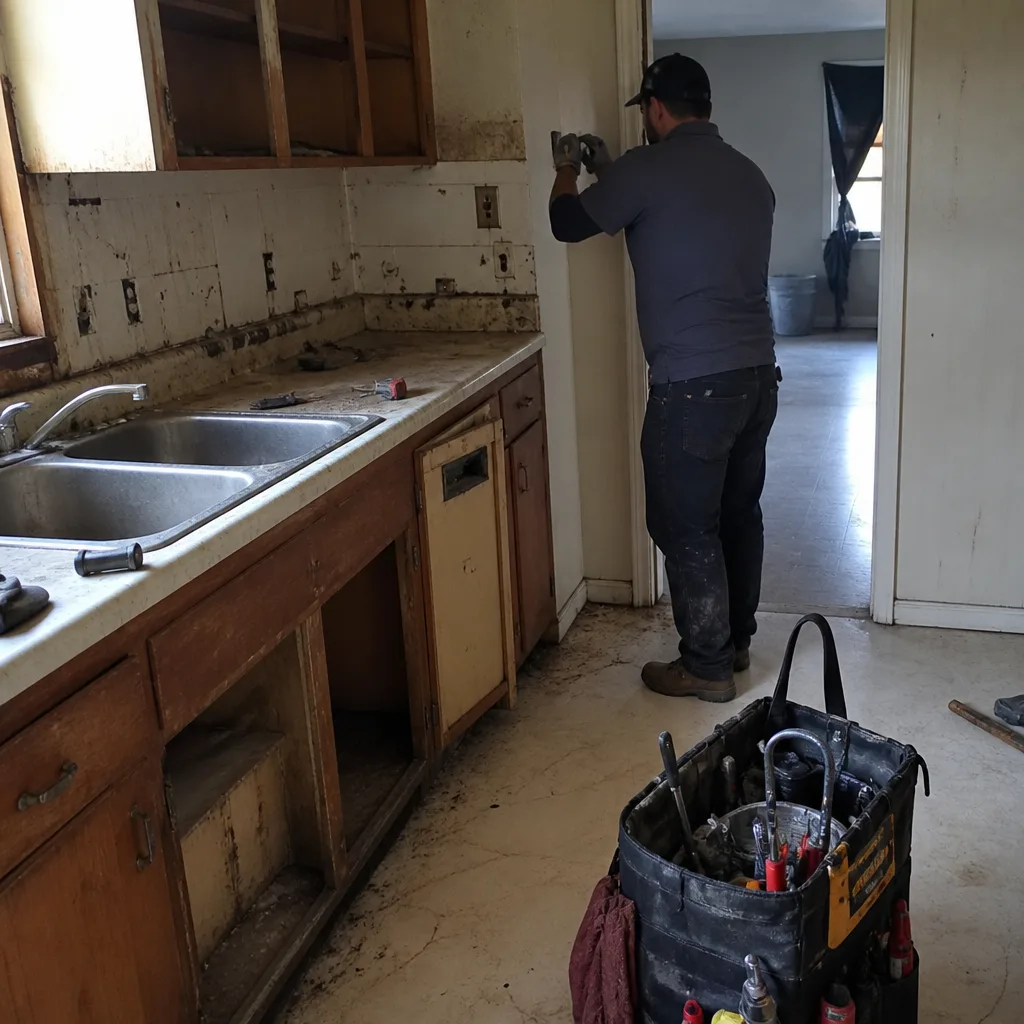 Before
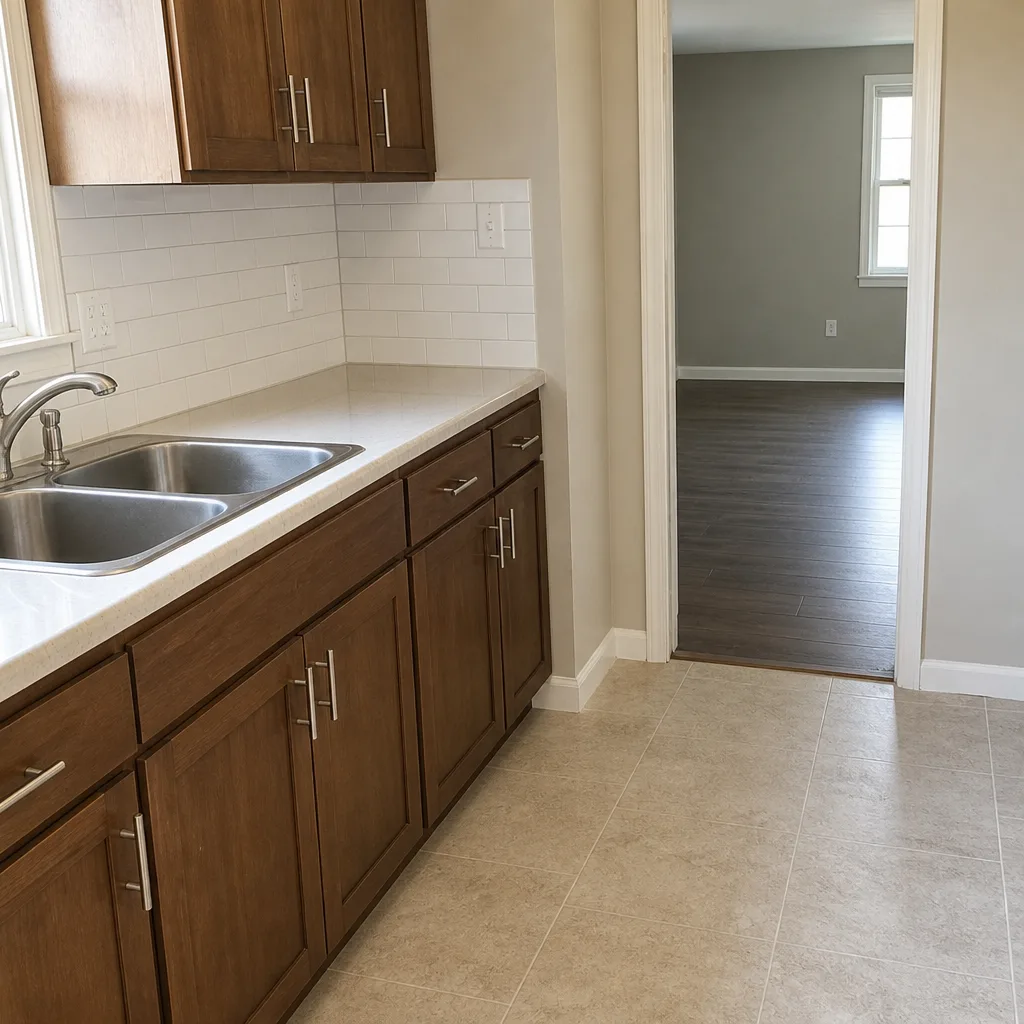 After
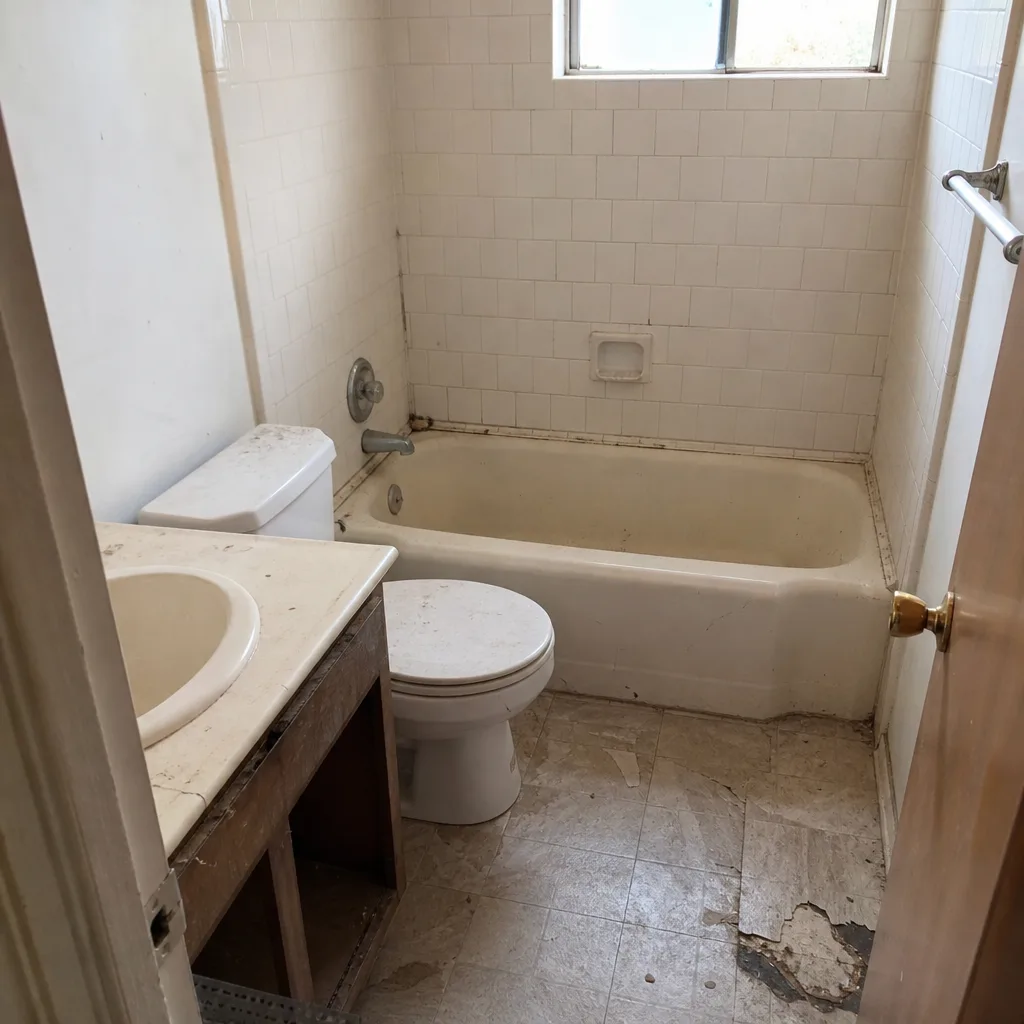 Before
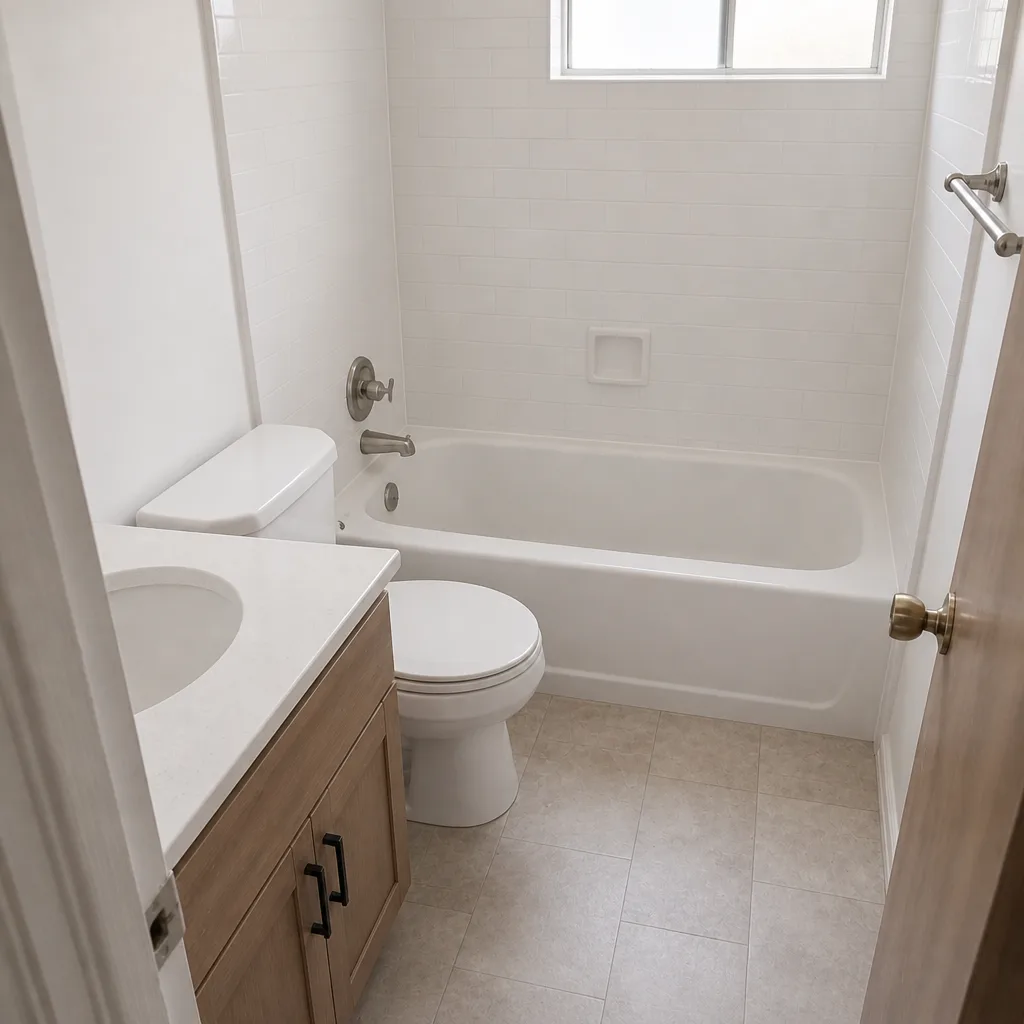 After
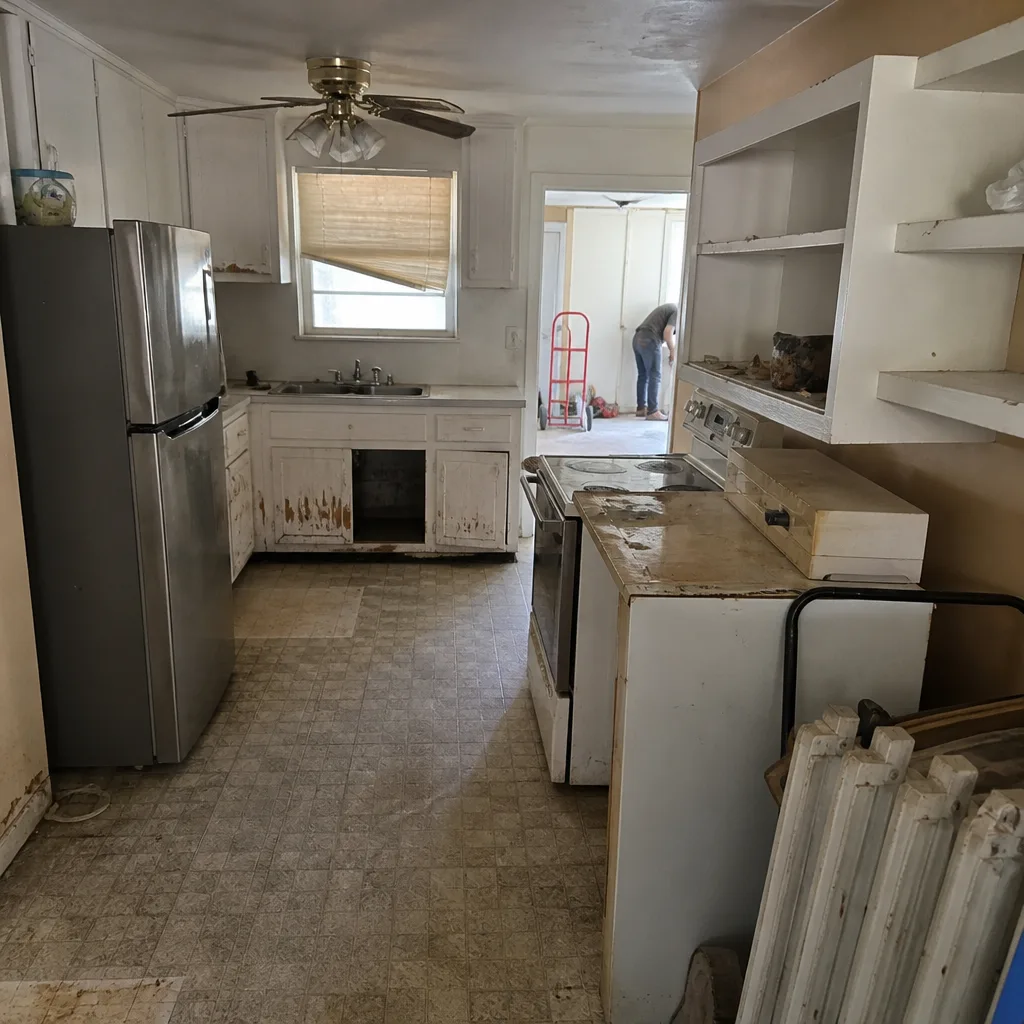 Before
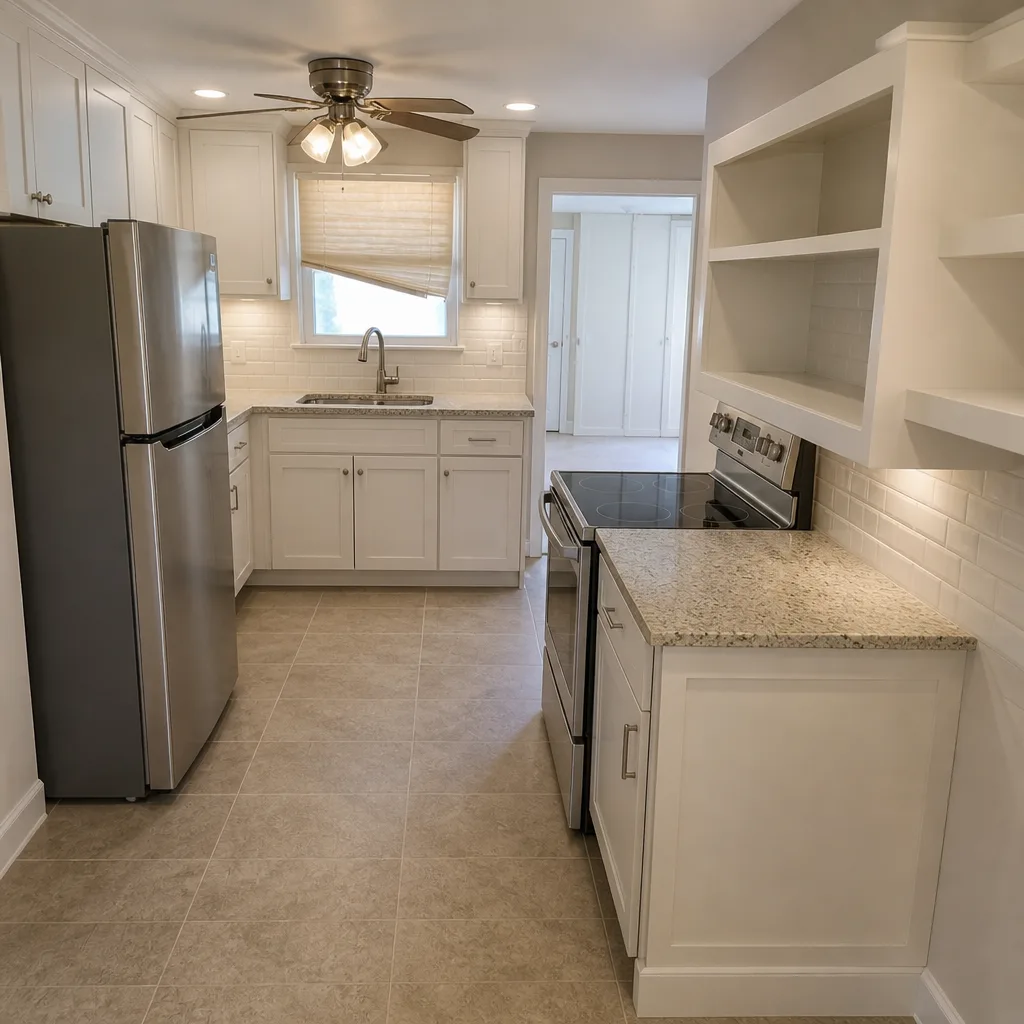 After
When to Call a Professional
Some warning signs are yours to monitor. Others are worth a professional look, and the phone call is free. Call us for a free estimate in Mesquite when you see any of the following: cracks wider than 1/8 inch or cracks with vertical displacement; doors and windows that stick and don’t release across seasons; a roof that lost a large amount of granules after hail; evidence of moisture in the attic; a fence run leaning in one direction or a retaining wall bowing; any of the five unpermitted-repair signs; or any combination of those on the same property. Our technicians have up to 13 years of experience diagnosing the difference between routine soil movement and structural failure – the diagnosis stage matters because it prevents money spent on the wrong repair.
When you call, we walk the property, photograph each issue, and give you a written line-item estimate for whatever the correct repair is. The estimate is free, and it means you’re pricing the job rather than guessing at it. Construction Mesquite covers roofing, windows and doors, fencing, driveways and pavers, kitchens, baths, and additions under one contract, which means a single point of accountability for one project or five. Call (844) 761-6059. We answer 24/7. Fast dispatch from 7am to 7pm, Sunday through Friday.
Frequently Asked Questions
Cracks narrower than 1/16 inch that don’t widen across seasons and show no vertical offset are almost always cosmetic thermal cracking and can be patched or painted. Cracks wider than 1/8 inch, cracks with vertical displacement, and cracks that recur in the same location after repair warrant a professional structural evaluation before cosmetic treatment. In Mesquite’s clay soil, the second category is worth taking seriously because the underlying cause usually gets worse, not better, over time.
A single post out of line by 5 degrees or less, with level panel hardware and clean gate-swing, is cosmetic post shift and can often be reset. Whole runs of panels leaning the same direction, posts visibly lifted at the base, gates that drag or can’t fully close, or posts rotating in the soil are signs of footing failure. Mesquite’s expansive clay accelerates footing movement after the first dry-wet cycle, so a fence footing evaluation is worth a call.
Look for four ground-to-attic signs: granule collection at the bottom of downspouts, uneven bare patches on shingle faces, lifted flashing around penetrations, and any dark staining on the roof deck visible from inside the attic. The attic check is the most reliable because it shows moisture before a ceiling stain does. If any of these signs appear, get a professional roof inspection, and don’t climb the roof yourself – anyone doing roof work at height needs fall-protection training, and the risk to a homeowner isn’t worth the savings.
For cracks narrower than 1/16 inch, tuck-pointing the mortar joint is a routine repair and worth doing to keep moisture out. For cracks wider than 1/8 inch that step diagonally through the mortar joints of a brick wall, patch the mortar only after a structural evaluation confirms the underlying wall is stable. Patching a structural crack without addressing the foundation movement is a waste of the repair money and hides the evidence you need to diagnose it.
We give you a written line-item estimate for the diagnosis and for any recommended repair work, and the estimate is free. The written estimate sets the price, so what you see on the quote is what you pay – no change orders after work starts. Call (844) 761-6059 for an appointment. We answer 24/7. Fast dispatch from 7am to 7pm, Sunday through Friday.
The five signals we look for first are mismatched materials at the repair boundary, off-pattern framing behind drywall, electrical and plumbing fixtures that don’t match the home’s era, structural cracks covered with fresh caulk or paint, and a repair you can see happened with no visible permit or inspection record. Any of these justifies a call to your city’s building department to search the address and a professional evaluation before you make a purchase or plan a new project on top of the existing work.
For the full picture of what we do across the property, from the driveway to the roofline, take a look at Construction Mesquite. The warning-sign patterns we’ve described are the same ones we watch for on every project – from kitchens and baths sourced from KraftMaid and Wellborn cabinetry, Cambria and Silestone countertops, and Kohler, Moen, and Grohe fixtures, through roofs installed with GAF, CertainTeed, and Owens Corning shingles, down to driveways laid with Tremron, Techo-Bloc, and Cambridge Pavers materials. One contractor, every project phase, a clear diagnosis at the front end and a written estimate that doesn’t move.
The Bottom Line
Most of the warning signs on a Mesquite home aren’t dangerous on their own – they’re information. The crack above your doorframe, the transverse crack in your driveway, the fence panel leaning with the whole run, and the lifted roof flashing all follow a similar logic: they tell you whether a structure is moving normally with the seasons, or moving because something underneath it is failing. Learning the thresholds – 1/16 inch thermal, 1/8 inch structural, and the vertical offset that means base failure – changes a panicked phone call into a confident one, and it stops you from spending money on cosmetics when the fix belongs deeper in the structure.
If any of the warning signs we’ve covered show up on your property, call (844) 761-6059 for a free estimate and a walk-around. We answer 24/7. Fast dispatch from 7am to 7pm, Sunday through Friday. The written estimate is free, and it’s the right place to start.
Written by the team at Construction Mesquite.