
Last updated November 17, 2026
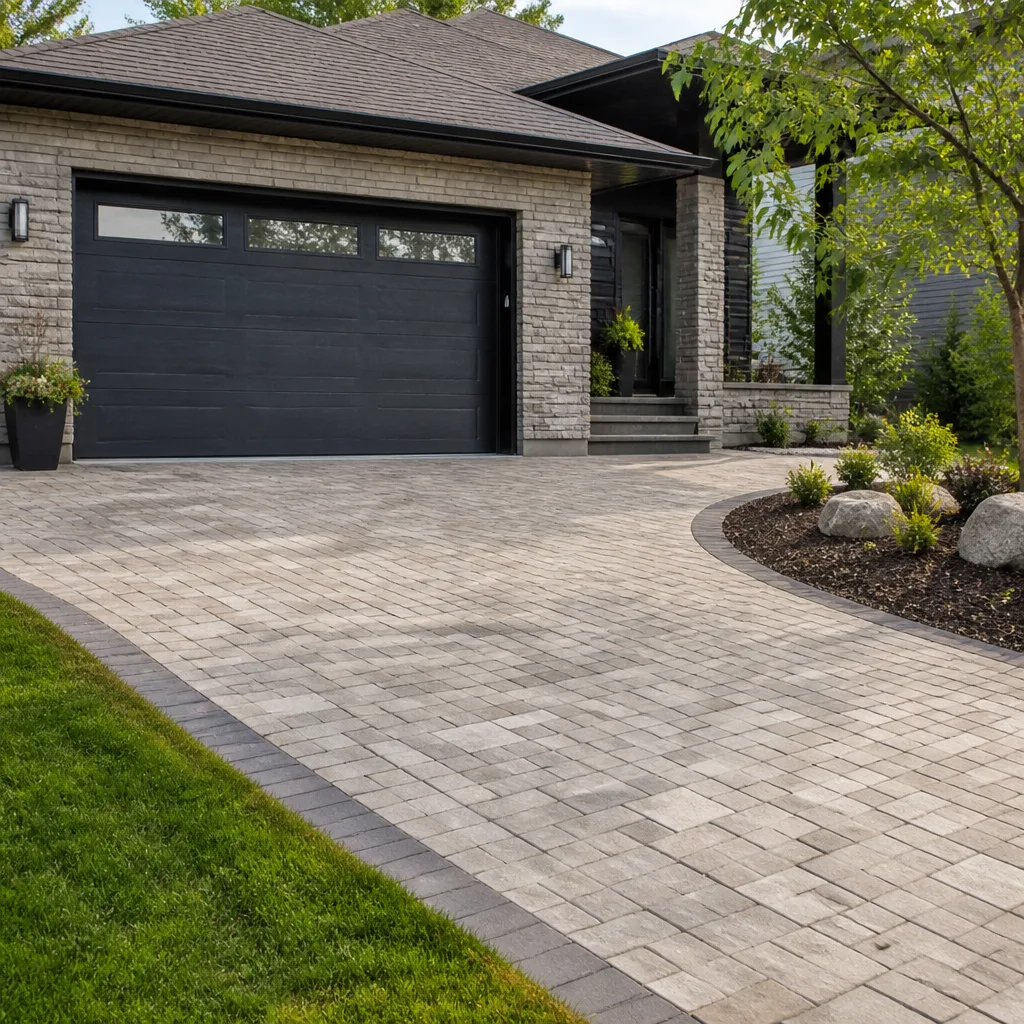 Driveway & pavers
 Kitchen remodeling
 Bathroom remodeling
 Home additions & ADU
 Roofing
 Windows & doors
 Fence
Free written scope consultation - allowances, timeline, and change-order rules on paper before a single trade is scheduled
The Complete Driveway & Pavers Guide for Mesquite Homeowners
Mesquite sits on some of the most expansive clay in Texas, and that clay decides whether a paver driveway holds its line for years or starts rocking, separating, and settling within a few seasons. Most driveway guides skip straight to color charts and paver shapes, as if the ground underneath were an afterthought. We’ve watched that omission cost homeowners real money. The soil is the foundation of every material and installation decision, and this guide treats it that way. You’ll learn how Black Land Prairie clay changes base depth, which materials handle North Texas heat cycles, how drainage and slope work on flat Mesquite lots, and what permits and HOA rules apply before work starts.
Quick Answer
A paver driveway in Mesquite needs a deeper, more carefully built base than national installation standards call for, because the expansive clay here heaves seasonally and punishes shallow prep. The short version: excavate to stable subgrade, lay geotextile fabric, then compact a base in lifts to a depth your installer verifies on site rather than a one-size-fits-all number. Get that right and the pavers can stay flat and tight for decades of use; get it wrong and no paver brand will save the job.
Styles & brands we work with
- Kitchen remodeling
- Bathroom remodeling
- Home additions & ADU
- Roofing
- Windows & doors
- Driveway & pavers
- Fence
Table of Contents
- Why Mesquite’s Clay Soil Changes Everything
- How Deep Should the Base Be Under a Paver Driveway in Mesquite?
- Concrete Pavers vs. Travertine vs. Brick vs. Asphalt in North Texas Heat
- The Correct Base Layer Sequence for Expansive Clay
- Drainage and Slope on Mesquite’s Flat Lots
- Permits and HOA Rules for Driveway Replacement in Mesquite
- What Does a Paver Driveway Cost in Mesquite?
- How to Choose a Paver Contractor in Mesquite
Why Mesquite’s Clay Soil Changes Everything
Mesquite sits on the Black Land Prairie, a band of dark, heavy clay that runs through this part of North Texas. This clay is expansive, meaning it swells when it absorbs water and shrinks as it dries. Across a seasonal wet-and-dry cycle it can move a surprising amount, and that movement happens slowly, under everything you build. A driveway is a rigid surface sitting on a moving foundation, and the ground does not care how much you paid for the pavers.
National paver installation standards are written for a generic range of soils. Those standards are a reasonable starting point, but they were not written for clay that heaves this much. In Mesquite, the soil behavior is the variable that separates a driveway that looks new in its fifth year from one that has already been re-leveled twice. Every decision below flows from that fact.
What actually happens when the base is too shallow or too loose: moisture reaches the clay, the clay expands, and it pushes upward unevenly. The base layer loses its compaction, and the pavers above begin to rock, separate at the joints, and settle into depressions where water then pools. That pooled water feeds the clay again. It’s a cycle, and the only reliable way to break it is to build the base correctly the first time.
We’ve seen this pattern across Mesquite neighborhoods of every age, from older streets near the historic downtown core to newer subdivisions on the city’s edges. The address doesn’t matter much. The ground underneath is the same story.
How Deep Should the Base Be Under a Paver Driveway in Mesquite?
There’s no single number that fits every Mesquite driveway, and any contractor who quotes you one without looking at your soil is guessing. What we can say with confidence is that base depth here needs to run deeper than the generic national minimums, and the correct depth gets set by what the subgrade is doing on your specific lot. A driveway carrying only passenger cars needs less than one that regularly holds a heavy truck or RV.
Here’s how we think about the variables that determine base depth:
- Subgrade condition. Is the clay stable and undisturbed, or has it been filled, graded, or dug up before? Fill soil compacts differently and often needs more correction.
- Traffic load. A standard residential driveway, a wide apron for a heavy vehicle, and a driveway that doubles as a parking pad all call for different base depths.
- Drainage path. Where water leaves the driveway affects how much moisture reaches the clay beneath it.
- Paver thickness. Thicker pavers spread load differently and pair with different base specs.
The practical takeaway: expect a deeper base than the national standard suggests, expect it to be built in compacted lifts rather than dumped and smoothed in one pass, and expect a good installer to verify subgrade before quoting a final number. If a bid gives you a base depth before anyone has looked at your soil, ask what it’s based on. The answer tells you a lot about the contractor.
Concrete Pavers vs. Travertine vs. Brick vs. Asphalt in North Texas Heat
North Texas heat cycles are hard on driveways. Long, hot summers and intense sun exposure cause materials to expand and contract, and surfaces that can’t handle that movement crack or fade. The material you choose should be matched to both the heat and the clay. Here’s how the main options stack up for a Mesquite driveway.
Concrete pavers are the workhorse choice for expansive clay. They’re installed as individual units over a flexible base, which means the system can accommodate minor ground movement without a monolithic crack running through the whole surface. If one area settles, individual pavers can be lifted and the base corrected without replacing the entire driveway. Brands like Belgard, Unilock, and Techo-Bloc make paver lines built for this kind of residential use, and the range of colors and formats is wide enough to fit most any home.
Travertine is a natural stone with a cool surface underfoot and a high-end look. It handles heat well, but it’s a heavier, more rigid material and demands an especially well-built base on clay. It’s also more porous, so it needs proper sealing and good drainage to hold up. On a Mesquite lot with marginal drainage, travertine is a material that rewards careful installation and punishes shortcuts.
Brick brings classic curb appeal and handles heat cycles well. It’s dense and durable, and it can be relayed if the base beneath shifts. The trade-off is cost and a smaller selection of formats, plus installation that has to be precise.
Asphalt is the least expensive option up front, but it’s also the least forgiving on expansive clay. It’s a continuous surface, so when the ground moves, it cracks, and cracks let water in. In North Texas heat, asphalt also softens and can rut under heavy loads. It’s a reasonable budget choice, but it’s the material most likely to need early repair on this soil.
For a driveway you intend to keep, concrete pavers over a properly built base are the option we recommend most often in Mesquite, and the brand choices from Belgard, Unilock, and Techo-Bloc give you real design range within that recommendation.
The Correct Base Layer Sequence for Expansive Clay
This is the part of the job nobody sees and the part that determines everything. The right sequence for expansive clay is not complicated, but every step matters, and skipping one is how driveways fail early. Here’s the order we follow, and the order you should expect any serious installer to follow.
- Excavate to stable subgrade. Remove the topsoil and any loose or disturbed material until you reach firm, undisturbed clay. On fill lots, this step often means digging deeper than expected.
- Grade the subgrade for drainage. Shape the exposed clay so water has somewhere to go before anything is built on top. This is the moment to solve slope, not later.
- Lay geotextile fabric. A separation fabric keeps the fine clay particles from migrating up into the base stone and the base stone from sinking into the clay. On expansive soil, this layer is not optional.
- Place base aggregate in lifts. Base material goes down in layers, each one compacted before the next goes on. Dumping the full depth at once and compacting the top leaves loose material underneath.
- Compact each lift thoroughly. Proper compaction with the right equipment is what turns loose aggregate into a stable platform. This is where a rushed job shows up years later.
- Set bedding sand and screed. A thin, even sand layer sets the final grade for the pavers.
- Lay pavers and compact again. Pavers are laid to pattern, then compacted into the bedding to lock the surface.
- Install edge restraints and joint sand. Edge restraints hold the field of pavers together against lateral movement, and joint sand fills the gaps and locks the units.
When this sequence is followed, the driveway performs. When a step is skipped, especially fabric or lift compaction, the failure shows up as rocking pavers and widening joints, and by then the fix is a rebuild. This is why we treat base work as the core of the job rather than a line item on the way to the pretty part.
Drainage and Slope on Mesquite’s Flat Lots
Mesquite’s lots tend to be flat, and flat ground is where drainage problems hide. Water that can’t leave a driveway sits at its edges and joints, and on expansive clay, standing water is the enemy. It softens the base, feeds the clay, and accelerates everything this guide has warned about. Good drainage is not a finishing touch; it’s structural.
What proper drainage looks like on a flat Mesquite lot:
- A consistent slope away from the house and garage. The driveway surface should pitch so water runs off rather than pooling, and the pitch has to be set from the very first grading pass.
- Edge drainage or a swale where the lot needs it. On lots where water collects, a designed path off the pavement keeps it from sitting against the base.
- Attention to the joint between the driveway and the house or garage. That seam is a common place for water to work its way under the pavement.
- Downspout and gutter management. Roof water that dumps onto or near the driveway is a drainage problem you can often solve upstream.
If a contractor presents a paver plan without talking about where the water goes, that’s a warning sign. Drainage is the difference between a driveway that drains and one that holds water against the exact soil that expands when wet.
Permits and HOA Rules for Driveway Replacement in Mesquite
Before any pavers come off a pallet, you need to know what the city and your neighborhood require. Driveway replacement and new driveway construction often trigger a permit, especially where the work meets the street, affects drainage, or changes the footprint. Permit rules vary and get updated, so the reliable move is to check with the City of Mesquite’s building department for your specific project.
What to confirm before work starts:
- Whether your project needs a permit. Ask the city directly about driveway replacement, widening, or new construction, and get the answer for your address rather than assuming.
- Setback and lot-coverage rules. Where the driveway can sit relative to property lines and how much of the lot can be paved varies by zoning.
- Drainage requirements. Cities often care about where runoff goes, and a driveway that sends water onto a neighbor’s lot or into the street in the wrong way can run into problems.
- HOA design rules. Many Mesquite subdivisions have architectural review requirements covering paver color, driveway width, and materials. Get approval before you order materials.
Permits are part of why working with one accountable contractor helps. The right team helps you sort out what your project needs, pulls the permits, and coordinates the inspections so the work is done to code. That coordination is one of the reasons we build our driveway and hardscape work into a single contract rather than handing you off between trades. If you’re planning a larger project that touches the house as well, our team can coordinate Construction Mesquite work across the full property so the driveway and the rest of the exterior are planned together.
What Does a Paver Driveway Cost in Mesquite?
Paver driveway pricing depends on square footage, base depth, drainage work, material choice, and site access, so there is no honest single number. What we can tell you is that the biggest driver of cost in Mesquite is the base and drainage work the soil requires, not the pavers themselves. A driveway built for expansive clay costs more up front than a shallow one, and it costs far less over its life because it doesn’t need rebuilding.
What goes into a typical estimate:
- Excavation and haul-off. Removing old pavement and unsuitable soil.
- Base materials. Aggregate, geotextile fabric, and the labor to place and compact it in lifts.
- Pavers and edge restraints. Material cost scales with the brand and format you choose.
- Drainage work. Any grading, swales, or edge drainage your lot needs.
- Permits and inspections where the city requires them.
Because those variables differ from lot to lot, we price per job and give you a written estimate before any work begins. That estimate sets the final price, so the number you agree to is the number you pay. Call (844) 761-6059 to schedule your free estimate, and we’ll look at your soil, drainage, and lot layout before we put a number on paper.
If the driveway is part of a larger plan, it can make sense to handle it as one project. Our driveway & pavers team can quote the hardscape while other phases are planned alongside it.
How to Choose a Paver Contractor in Mesquite
The contractor matters as much as the material, because the base work is where most driveways go wrong. Choosing well means asking questions that separate a team that builds for clay from one that installs to a generic standard.
What to ask any paver contractor before you sign:
- What base depth do you recommend and why? A contractor who knows Mesquite clay will tie the answer to your soil and traffic, not to a generic number.
- Will you use geotextile fabric? On expansive clay, the answer should be yes.
- How will you handle drainage? You want a plan for where water goes, particularly on a flat lot.
- Who pulls the permit? A serious contractor knows the city’s requirements and handles them.
- What does the written estimate cover? You want the scope, materials, brand, and any drainage work spelled out.
Ask about the material brands too. A contractor who works with Belgard, Unilock, Tremron, Techo-Bloc, and Cambridge Pavers can show you real options rather than steering you to whatever is easiest to source. Sourcing the right paver for your design and soil is part of the service, and it’s worth having a team that knows the lines. Our technicians have up to 13 years of experience with these installations, and we’ve built a habit of explaining the trade-offs so you can choose with confidence rather than guesswork.
If your project extends beyond the driveway, keep it in one relationship. The same contractor that builds your pavers can handle fence installation for the perimeter and, if your plans run larger, home additions & ADU work to expand your living space. One contract, one warranty relationship, and one standard of quality across the property.
Common Mistakes to Avoid
- Installing to national base standards on Mesquite clay. The generic depth is too shallow for this soil. A driveway built to a national minimum on expansive clay is a driveway that will move.
- Skipping the geotextile fabric. It’s the cheapest line on the estimate and one of the most important. Without it, clay and base stone mix and the base loses strength.
- Compacting only the top of the base. Base has to go in lifts with each one compacted. Dumping the full depth and compacting the surface leaves looseness underneath.
- Ignoring drainage because the lot looks flat. Flat lots are exactly where water pools. Slope and drainage belong in the plan from the first grading pass.
- Choosing a paver before choosing a base. No brand fixes a bad foundation. Decide on the base spec first, then pick your pavers from there.
- Starting without checking permits and HOA rules. Ordering materials before you know what the city and HOA require can mean changes and delays. Check first.
- Hiring on price alone. The lowest bid is often the one that cut the base work. Ask what’s underneath the pavers before you compare quotes.
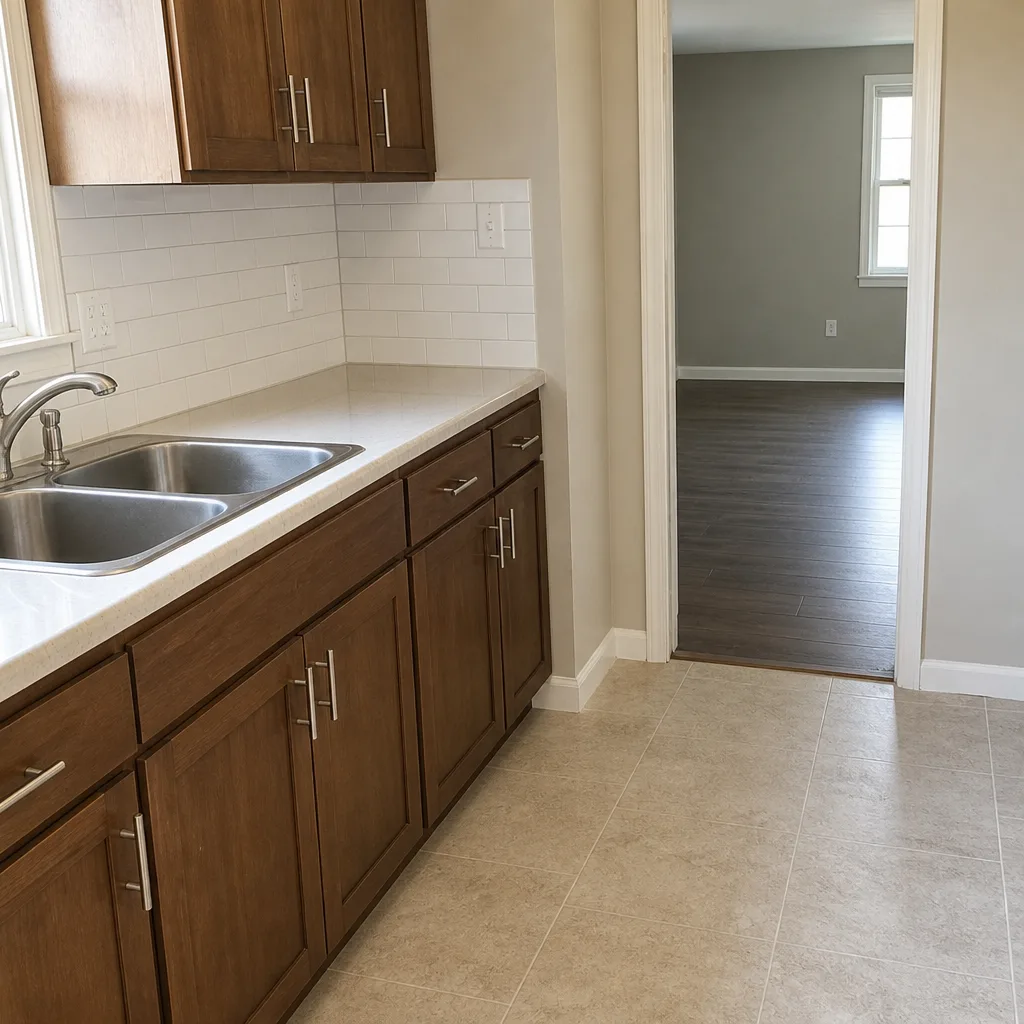
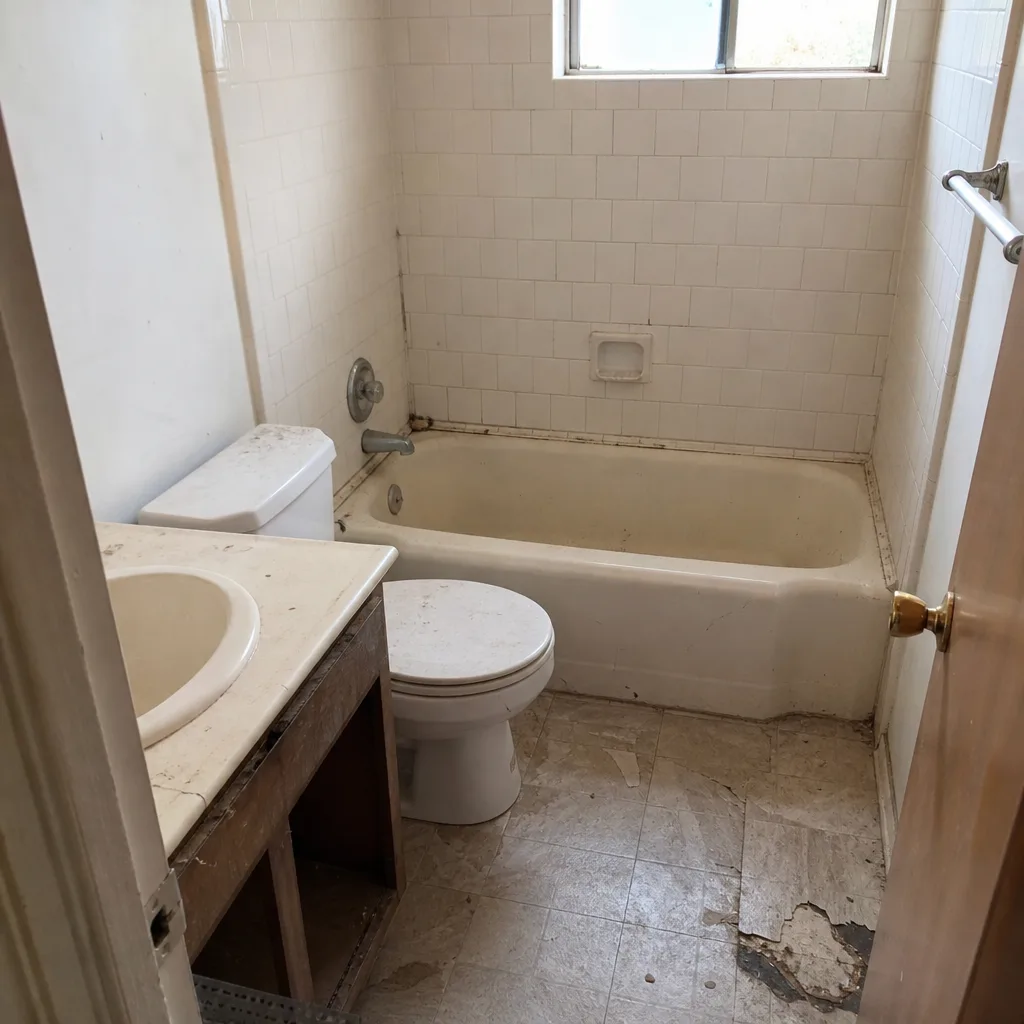
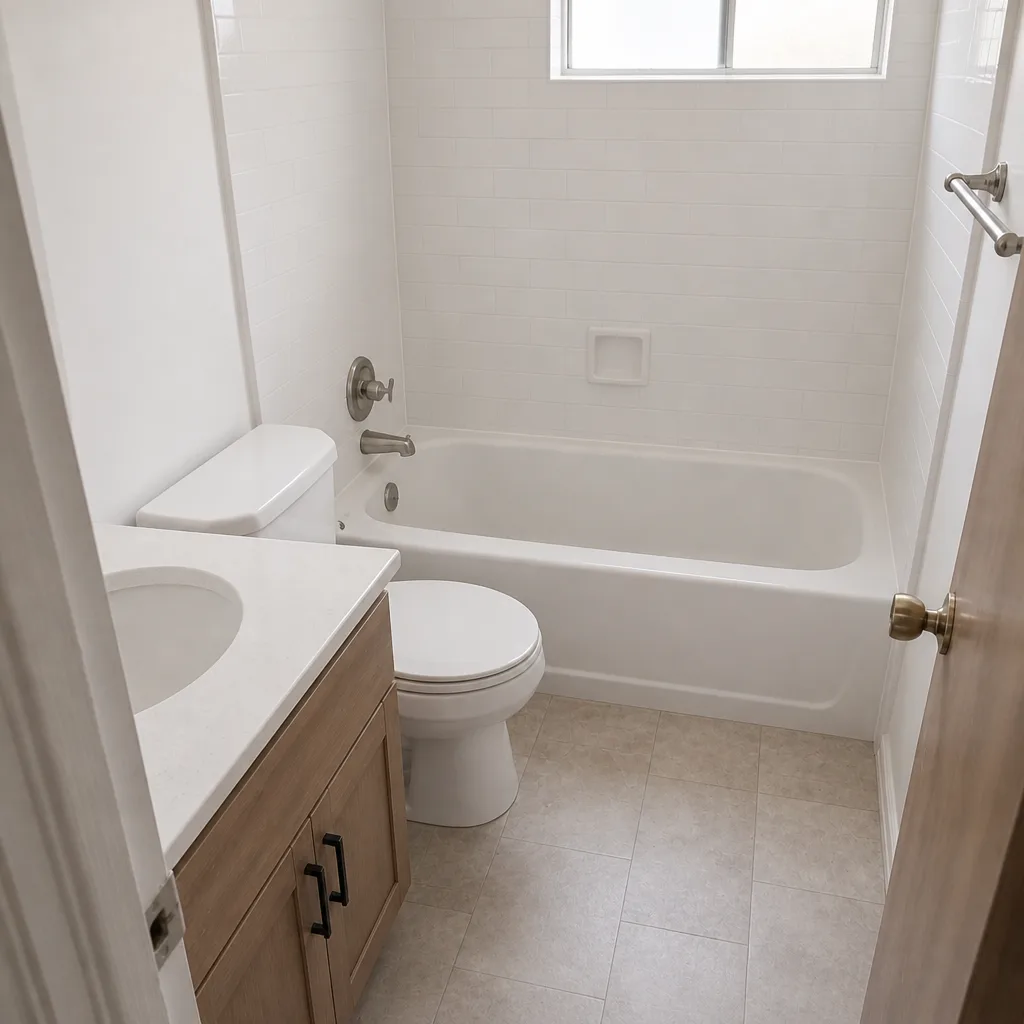
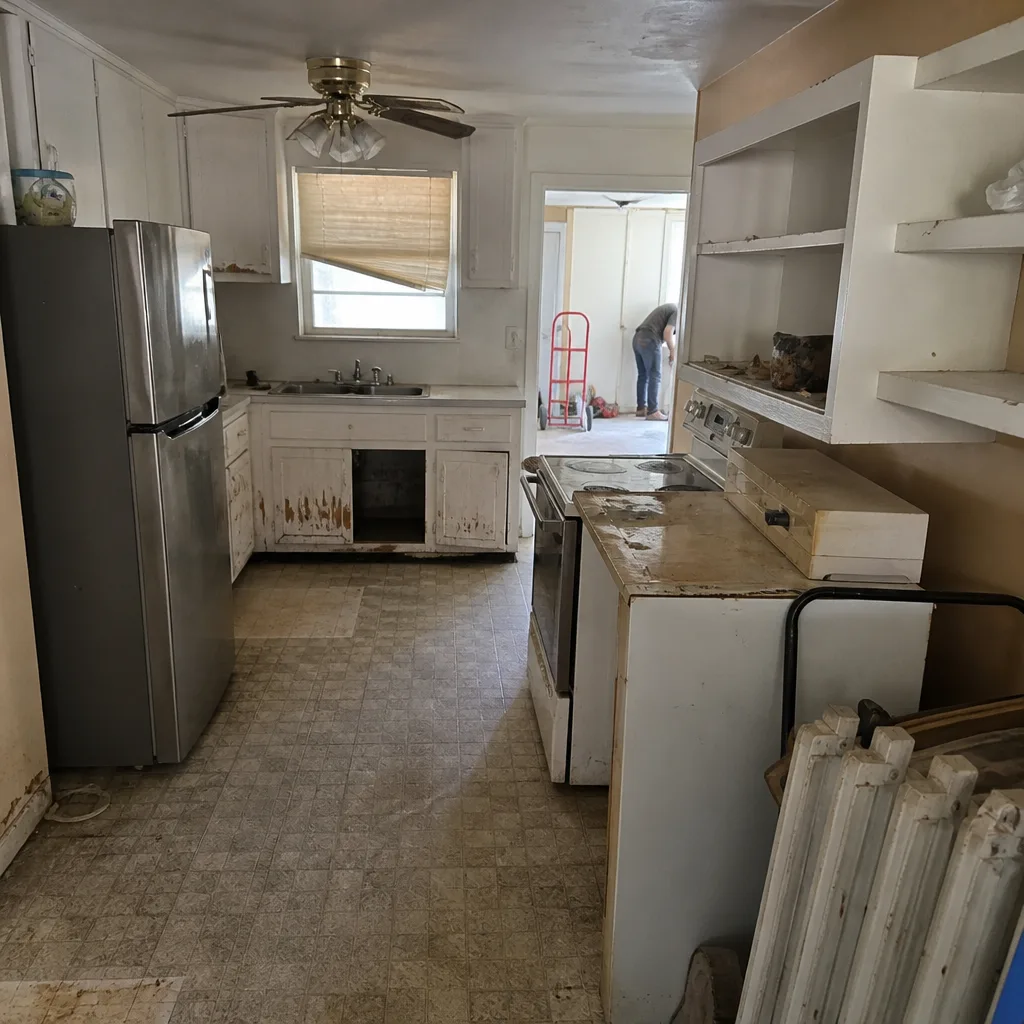
See the difference
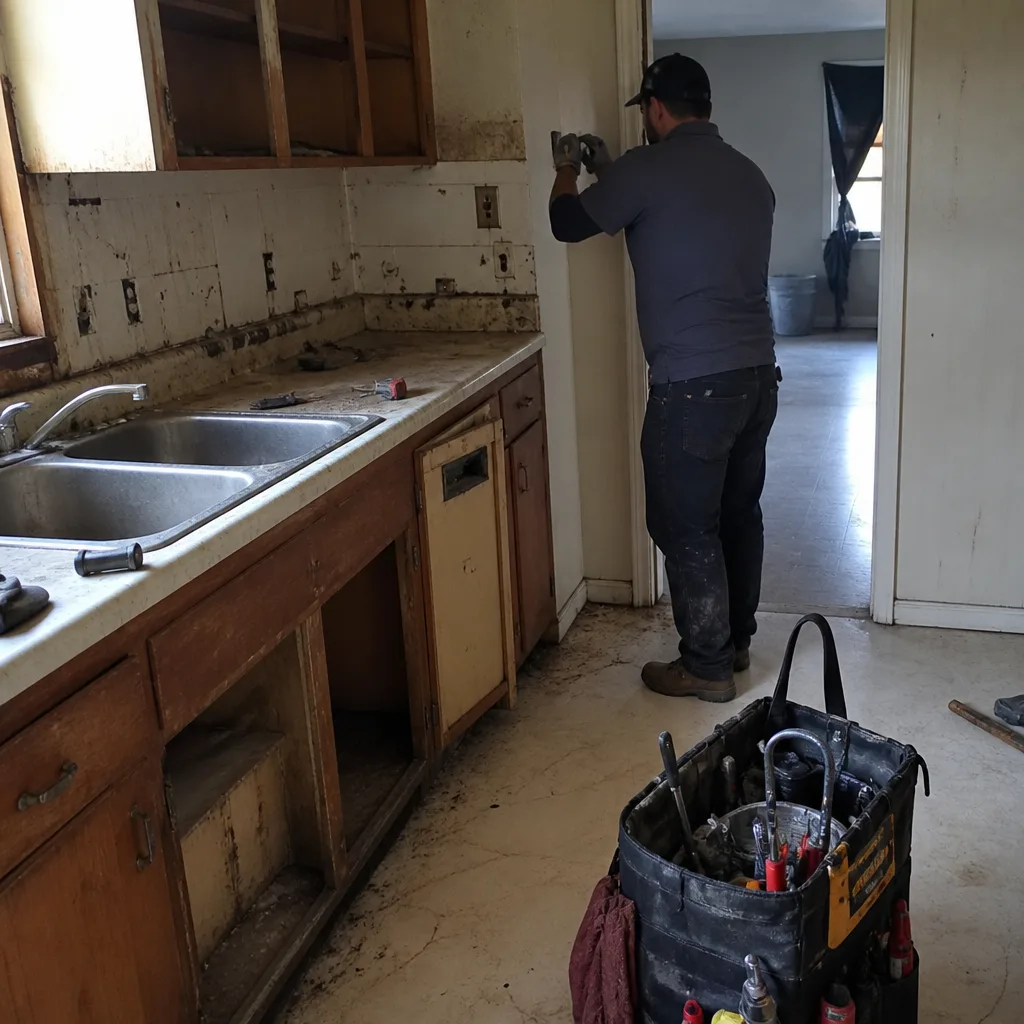 Before
 After
 Before
 After
 Before
 After
When to Call a Professional
Some driveway problems are cosmetic. Some mean the base has failed, and those need a contractor rather than a patch. Call us when your pavers are rocking underfoot, joints are widening, or a section has settled into a depression that holds water. Call when you’re seeing cracks or heaving on a concrete or asphalt driveway and want to know whether paver replacement makes sense. Call when you’re planning a full replacement or a new driveway and need someone to look at your soil, drainage, and slope before anything is quoted. Construction Mesquite offers free estimates in Mesquite. Call (844) 761-6059. We answer 24/7. Fast dispatch from 7am to 7pm, Sunday through Friday.
Frequently Asked Questions
The base needs to be deeper than the generic national minimum because Mesquite’s expansive clay heaves seasonally, but the exact depth depends on your subgrade, traffic load, and drainage. Any installer who quotes a base depth before looking at your soil is guessing. Call (844) 761-6059 for a free estimate based on your actual lot.
A paver driveway built with the right base, geotextile fabric, and drainage on Mesquite clay can last decades of use, while one built shallow can start rocking within a few years. The base is what determines the lifespan, not the paver brand. Call (844) 761-6059 to schedule a free estimate and we’ll walk through what your lot needs.
For a driveway on expansive clay, concrete pavers generally hold up better than a solid concrete slab because the flexible base system absorbs minor ground movement and individual units can be repaired without replacing everything. Concrete pavers from lines like Belgard, Unilock, and Techo-Bloc also handle heat cycles well. Call (844) 761-6059 for a free quote on your driveway.
Driveway replacement often requires a permit, especially where the work meets the street or affects drainage, but rules vary and get updated, so check with the City of Mesquite’s building department for your specific project. A serious contractor will help you sort out permits and inspections. Call (844) 761-6059 to discuss your project.
Rocking and separating pavers almost always means the base underneath has failed, typically from shallow depth, skipped geotextile fabric, or poor compaction. The joints and the surface are reflecting a problem below. Call (844) 761-6059 for a free estimate and we’ll diagnose what’s actually happening under the pavers.
Paver driveway pricing depends on square footage, base depth, drainage work, material choice, and site access, so there’s no honest single number. In Mesquite, the soil’s base requirements are a bigger cost driver than the pavers themselves. Call (844) 761-6059 for a free estimate, and the written quote sets the final price.
The Bottom Line
The ground under a Mesquite driveway matters more than the pretty surface on top. Black Land Prairie clay heaves and shrinks, and it punishes shallow bases, skipped fabric, poor compaction, and careless drainage. Get the base sequence right and a paver driveway can hold its line for years. Get it wrong and no premium brand will save it. Choose your base spec before you choose your pavers, plan the drainage from the first grading pass, and confirm your permit and HOA rules before ordering materials. Do those things and the driveway you install today will still look right in years to come.
When you’re ready to talk specifics, reach out. Construction Mesquite handles driveways and pavers, fences, home additions and ADUs, bathrooms, windows and doors, roofing, and kitchens as one accountable team, with material brands like Belgard, Unilock, Tremron, Techo-Bloc, and Cambridge Pavers behind the hardscape. Our technicians have up to 13 years of experience, and every job starts with a written, line-item estimate and free quote.
Call (844) 761-6059 for your free estimate. We answer 24/7. Fast dispatch from 7am to 7pm, Sunday through Friday. We’re closed Saturday.
Written by the team at Construction Mesquite.