
Last updated November 17, 2026
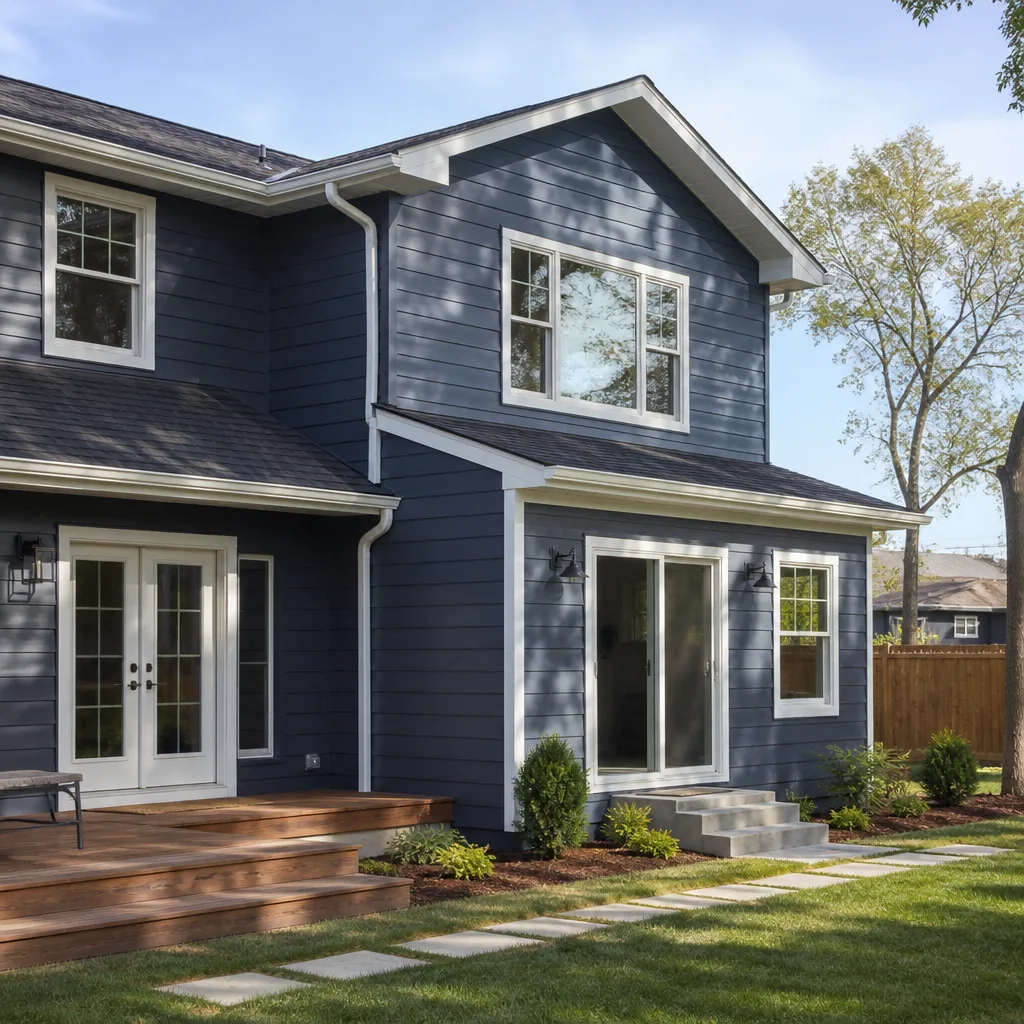 Home additions & ADU
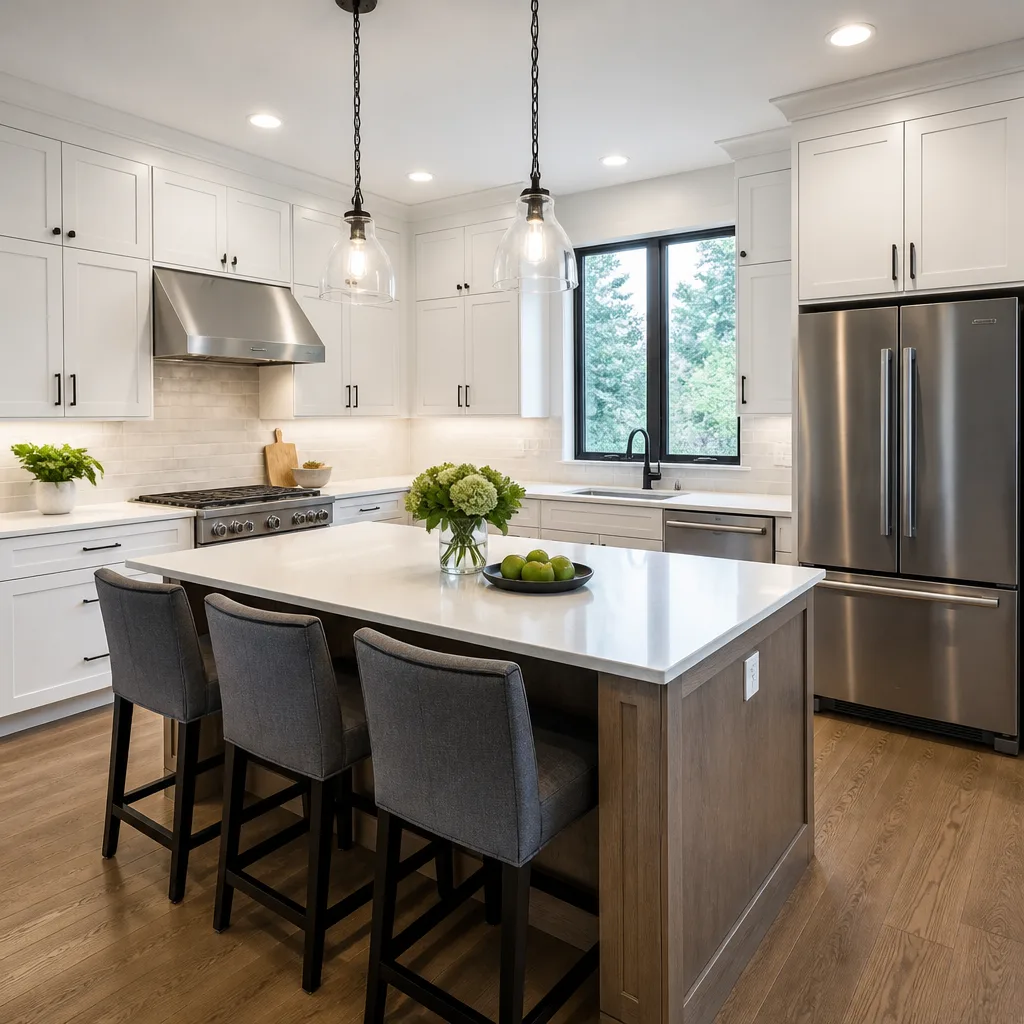 Kitchen remodeling
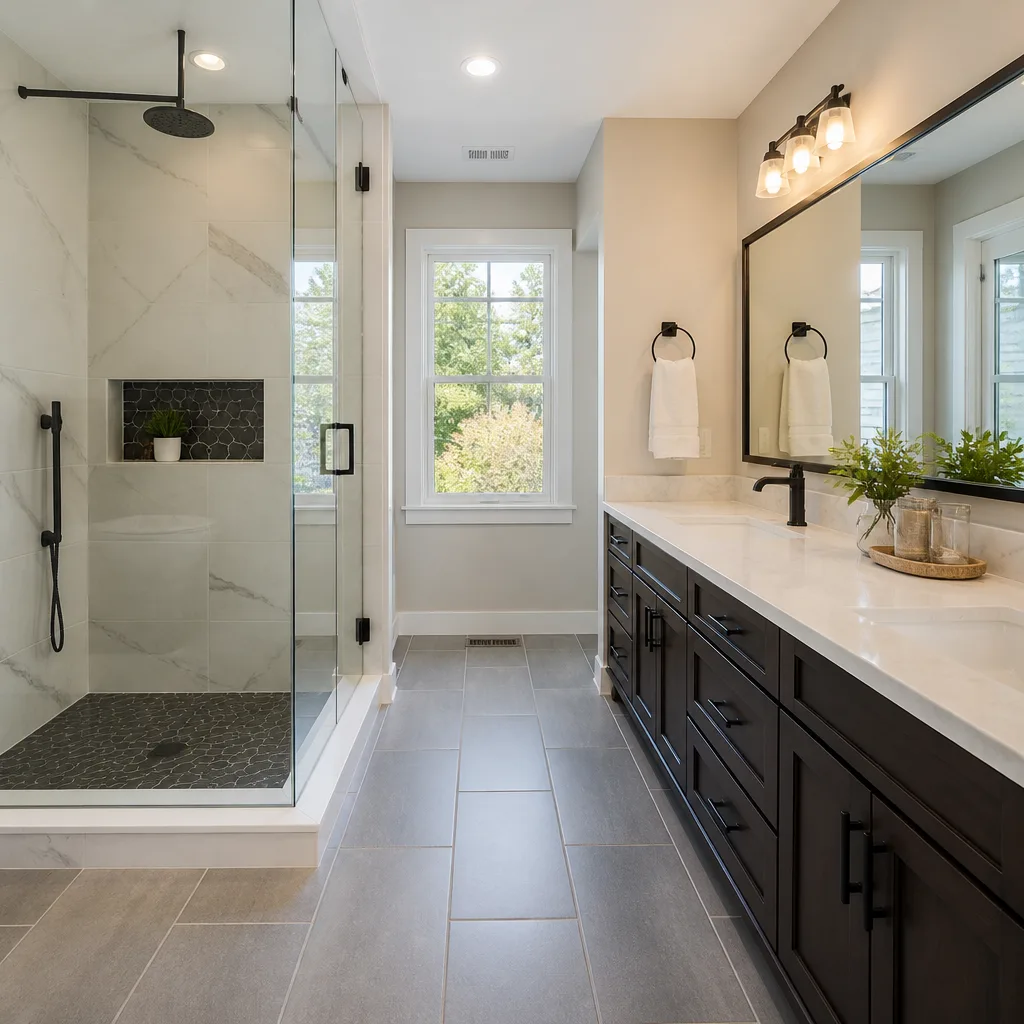 Bathroom remodeling
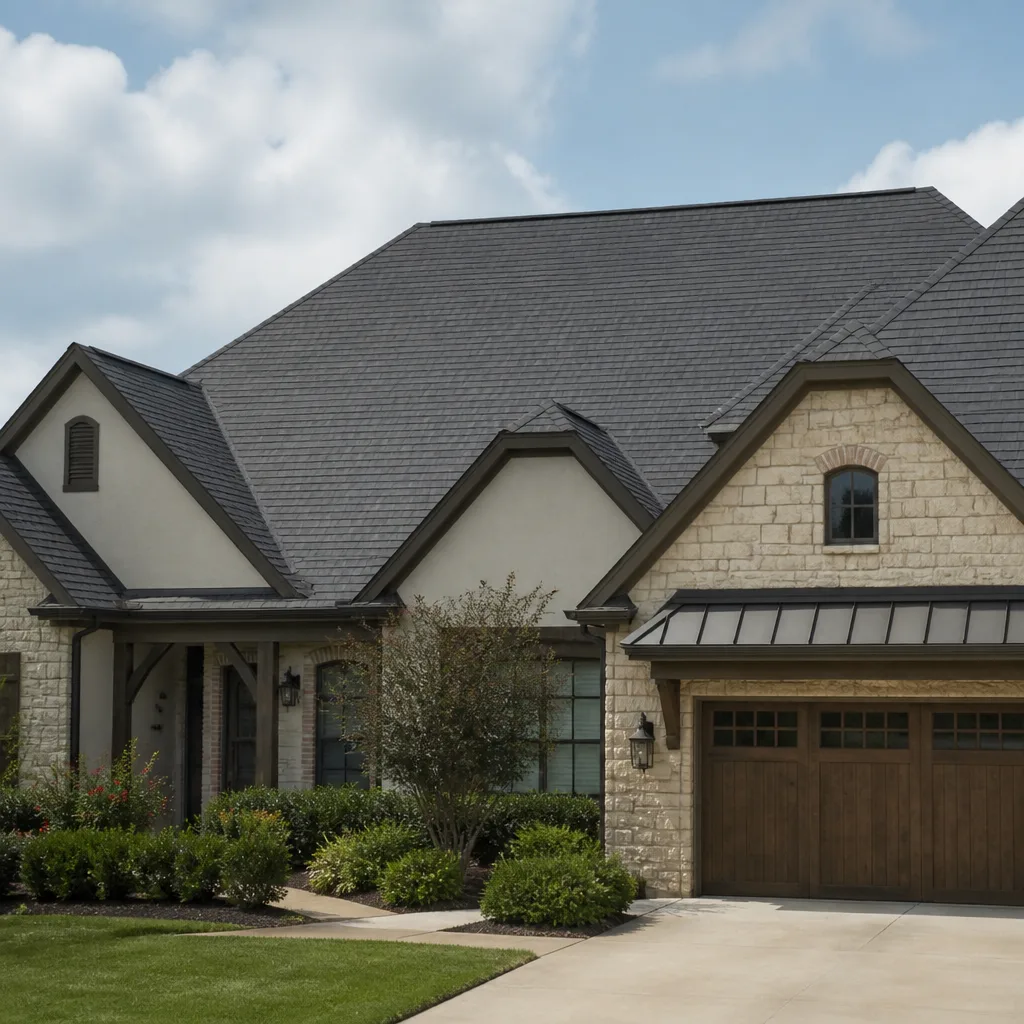 Roofing
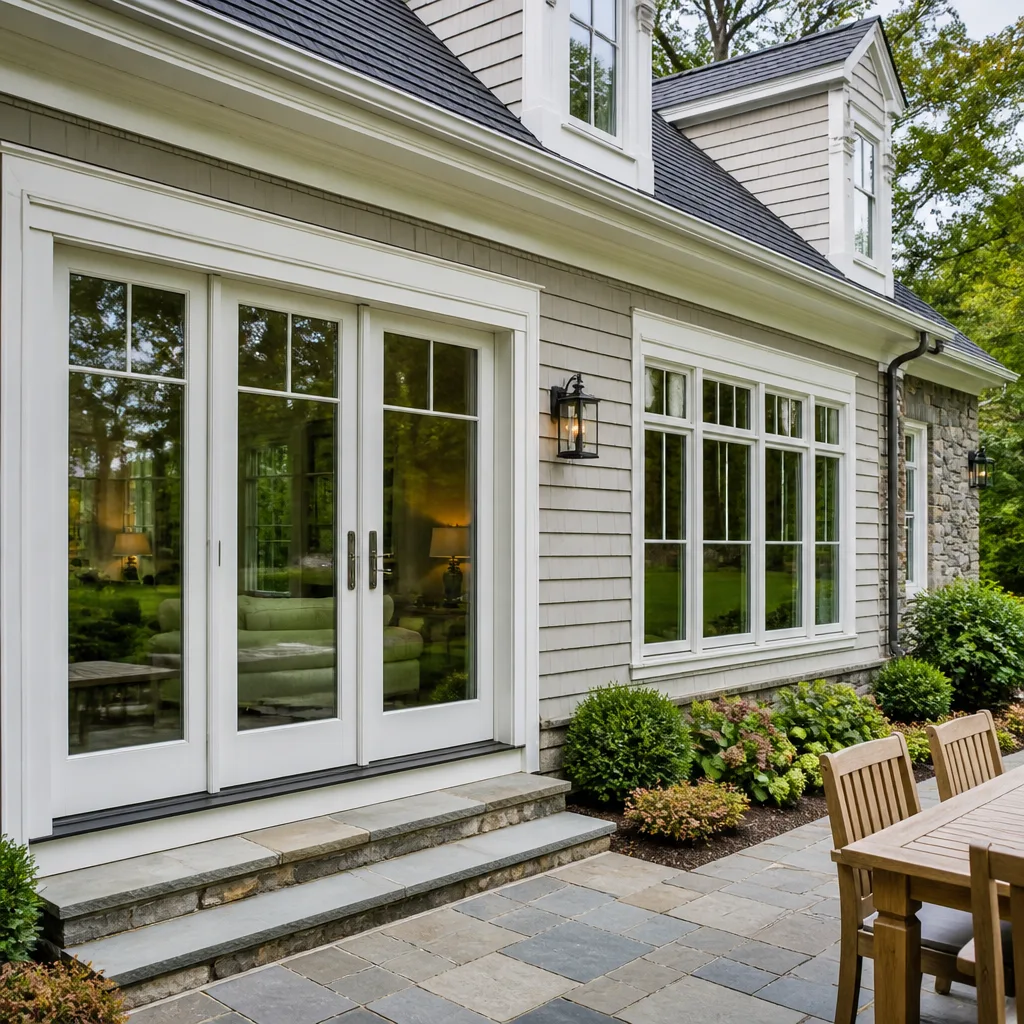 Windows & doors
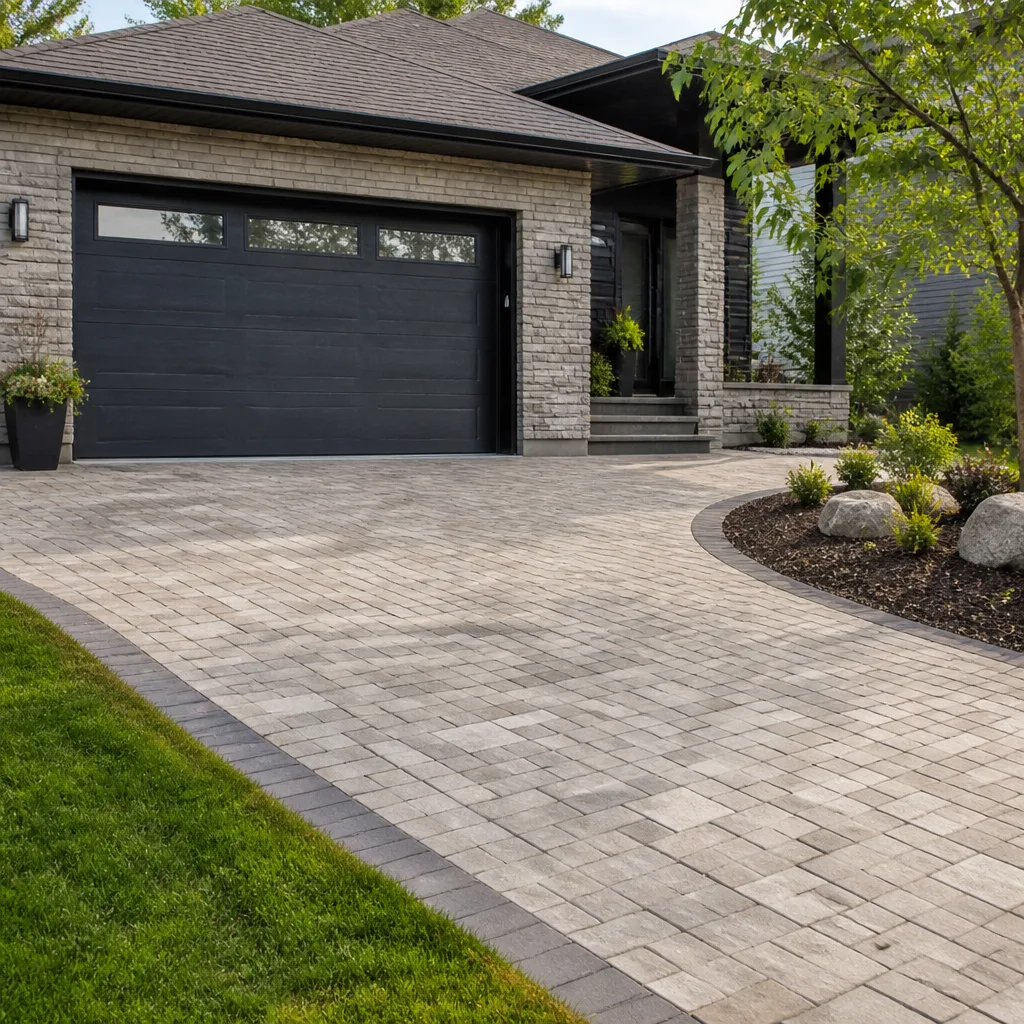 Driveway & pavers
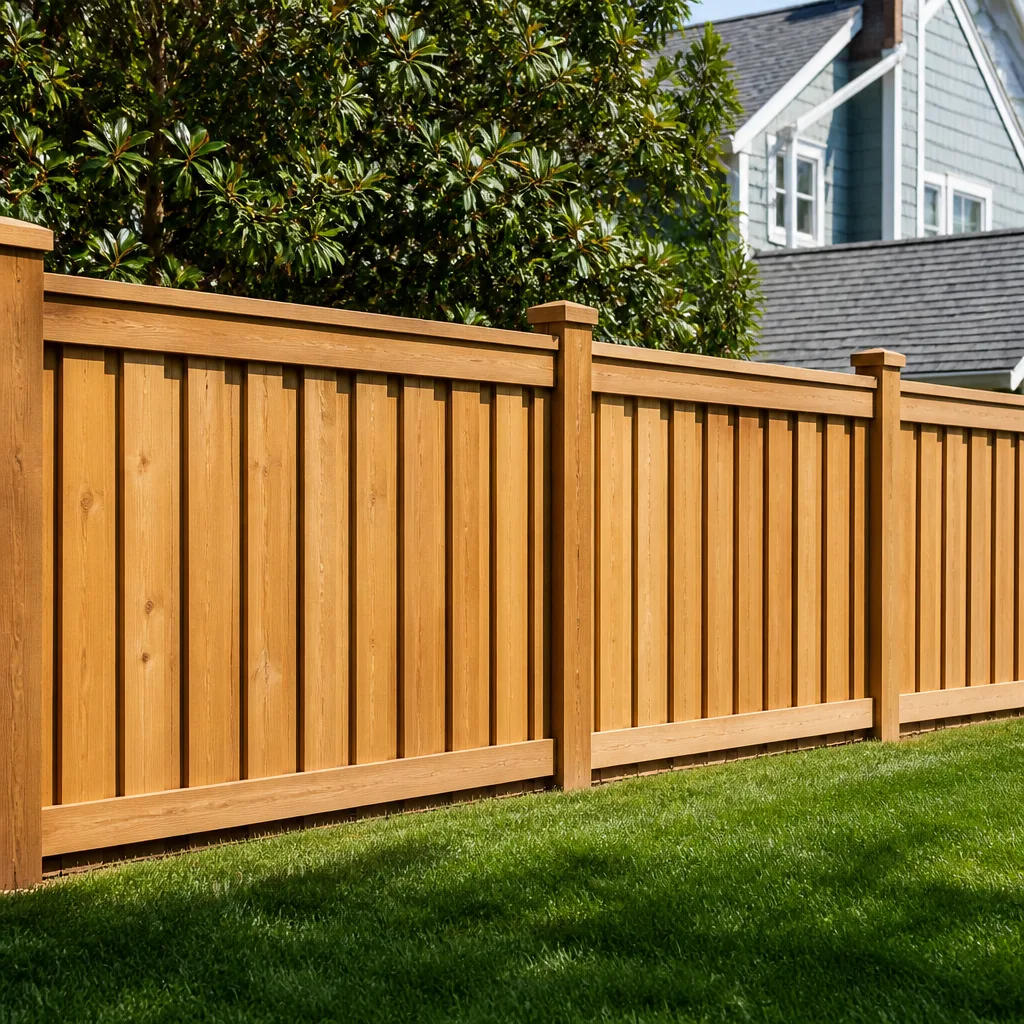 Fence
Free written scope consultation - allowances, timeline, and change-order rules on paper before a single trade is scheduled
Construction Cost Breakdown: The Mesquite Homeowner’s Reference for 2026
The national average for a concrete driveway is often quoted at $8 to $12 per square foot. In Mesquite in 2026, once you factor in clay-soil subgrade prep and the rebar requirements local code drives, $14 to $17 is closer to what you’ll actually see on proposals. That gap is the whole reason this guide exists. National averages are close to useless here because DFW material costs, labor rates, and soil-related scope additions give Mesquite its own cost structure. What follows is a project-by-project breakdown of what things actually cost here in 2026, which line items are genuinely fixed, and which ones a homeowner can negotiate.
Quick Answer
Construction costs in Mesquite in 2026 run roughly 15% to 25% above national averages for exterior work because of expansive clay soil that demands real subgrade prep and foundation attention, and because roofing must meet hail-rated requirements common to North Texas. A typical kitchen remodel lands between $28,000 and $78,000, a bathroom between $12,000 and $32,000, a driveway between $9,000 and $22,000, and an ADU between $95,000 and $260,000 depending on whether you go custom or prefab. Brand selection and bundling several projects under one contractor move those numbers more than anything else.
Styles & brands we work with
- Kitchen remodeling
- Bathroom remodeling
- Home additions & ADU
- Roofing
- Windows & doors
- Driveway & pavers
- Fence
Table of Contents
- Why Mesquite Costs Differ From National Averages
- Roofing Costs in Mesquite
- Driveway and Paver Costs
- Kitchen and Bathroom Remodel Costs
- Fence Installation Costs
- Home Additions and ADU Costs
- How Material Brand Selection Shifts the Number
- What’s Fixed and What’s Negotiable
- Bundling Projects and the 10-18% Savings
Why Mesquite Costs Differ From National Averages
Mesquite sits on expansive clay soil, and that single geological fact reshapes the cost of nearly every exterior project. Clay swells when it holds water and shrinks when it dries, which means a driveway poured over an unprepared subgrade will crack within a few seasons. Concrete contractors working in Mesquite build in a thicker compacted base, a proper vapor barrier, and rebar rather than mesh. Those steps add real money to the square-foot price, but they’re what separates a driveway that lasts from one that looks fine for two years and then doesn’t.
The same soil reality shows up under the house. Many Mesquite homes sit on pier-and-beam foundations, and any project that touches the footprint – an addition, a new patio, a fence line near the slab edge – may need foundation adjustments or additional piers to stay stable. That’s a line item you rarely see on a national cost chart.
Roofing carries its own local premium. North Texas hail is a genuine engineering concern, and shingles installed here are typically rated to resist impact. A hail-rated architectural shingle costs more than a builder-grade strip shingle, and the underlayment and flashing details matter more when a storm can find any weakness. Beyond materials, the Dallas-area labor market sets wages, and qualified crews are not cheap. Those three factors – soil, storm, and labor – explain most of the difference between a national average and a real Mesquite proposal.
One more thing worth understanding up front: in our experience, the biggest cost surprises on Mesquite projects come from discovery, not from the visible work. Opening a wall and finding outdated wiring, or pulling up old pavers and finding no base at all, changes the scope. A written line-item estimate that anticipates common conditions protects you from that more than any single number on this page.
Roofing Costs in Mesquite
A full roof replacement on a typical Mesquite home in 2026 runs about $14,000 to $32,000, with the middle of that range being the most common landing spot for an architectural shingle system on a standard single-story home. The number moves with square footage, roof pitch, the number of layers being torn off, and the shingle line you choose.
- Low tier ($9,000 to $14,000): Smaller footprint, simple gable roof, three-tab or entry-level architectural shingles, minimal decking repair.
- Mid tier ($14,000 to $24,000): Standard architectural hail-rated shingles from a major manufacturer like GAF, CertainTeed, or Owens Corning, full tear-off, new underlayment and flashing.
- High tier ($24,000 to $32,000 and up): Complex rooflines, multiple valleys and dormers, premium shingle lines, added ventilation, or significant decking replacement.
What actually drives the price up in Mesquite is roof complexity more than material. A plain hip roof is cheaper to cover than a roof cut up with valleys, skylights, and multiple penetrations, because every transition is a place that needs careful flashing and extra labor. Decking replacement is the wild card: roofs over twenty years old often have soft spots that only show once the shingles come off, and that’s an add to the estimate.
Hail-rated shingles are close to non-negotiable here. Ask any roofer in the area and they’ll tell you the same thing. Storm resistance is the whole point of the product in this climate, and the premium over a basic shingle is small relative to the protection. You can read more about our Construction Mesquite approach to full-home scope if you’re weighing a roof against other exterior work at the same time.
Permits are required for a full reroof in most North Texas municipalities, and a good contractor pulls them and arranges the inspection. That’s part of what you’re paying for, and it protects you at resale.
Driveway and Paver Costs
A new concrete driveway in Mesquite in 2026 runs about $14 to $17 per square foot, so a standard two-car driveway of roughly 600 square feet lands between $8,400 and $10,200 for the concrete alone. Add demolition of the old surface, haul-off, and any base repair, and most full jobs come in between $9,000 and $22,000 depending on size and site conditions.
That $14 to $17 range is higher than the national $8 to $12 you’ll read online, and the reason is worth repeating: clay subgrade prep and rebar. A contractor who quotes you $10 a square foot in Mesquite is either skipping the base work or planning to come back later. Neither is a deal.
Pavers are a different budget entirely. Brick or concrete pavers typically run $18 to $32 per square foot installed, again driven higher here in Mesquite by base preparation. The material itself matters a lot – driveway & pavers work specified with premium suppliers like Belgard, Unilock, Tremron, or Techo-Bloc carries a higher material cost than commodity pavers, but the surface holds its color and structure far longer. Cambridge Pavers is another line we work with on outdoor living surfaces.
What moves the number on a driveway project:
- Square footage. The single biggest lever. Every extra 100 square feet adds roughly $1,400 to $1,700 in concrete.
- Base condition. If the old driveway has failed because the base was never right, the fix is deeper and costs more.
- Drainage. Mesquite’s clay holds water. A driveway that doesn’t slope away from the house properly is a future foundation problem, so correcting grade is money well spent.
- Edging and borders. Decorative borders, soldier courses, and contrasting bands add labor and material.
Kitchen and Bathroom Remodel Costs
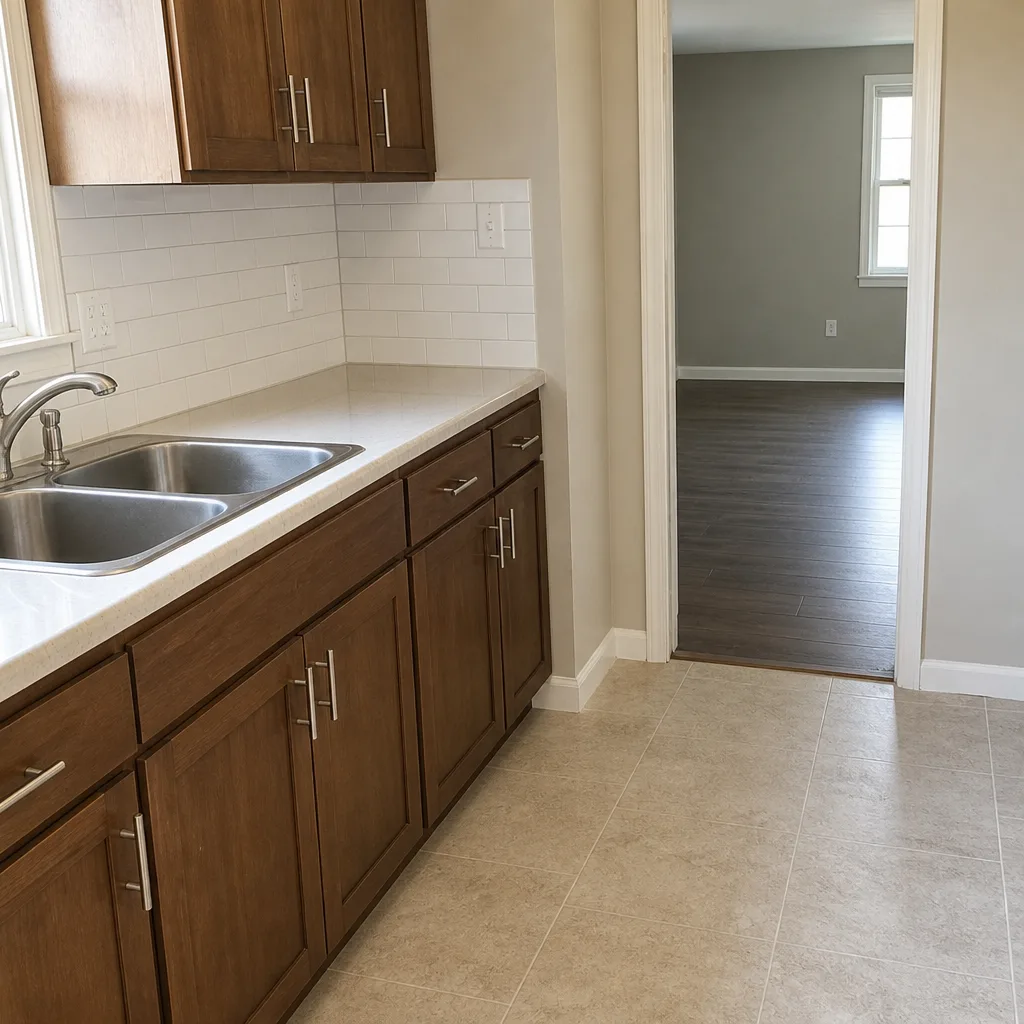
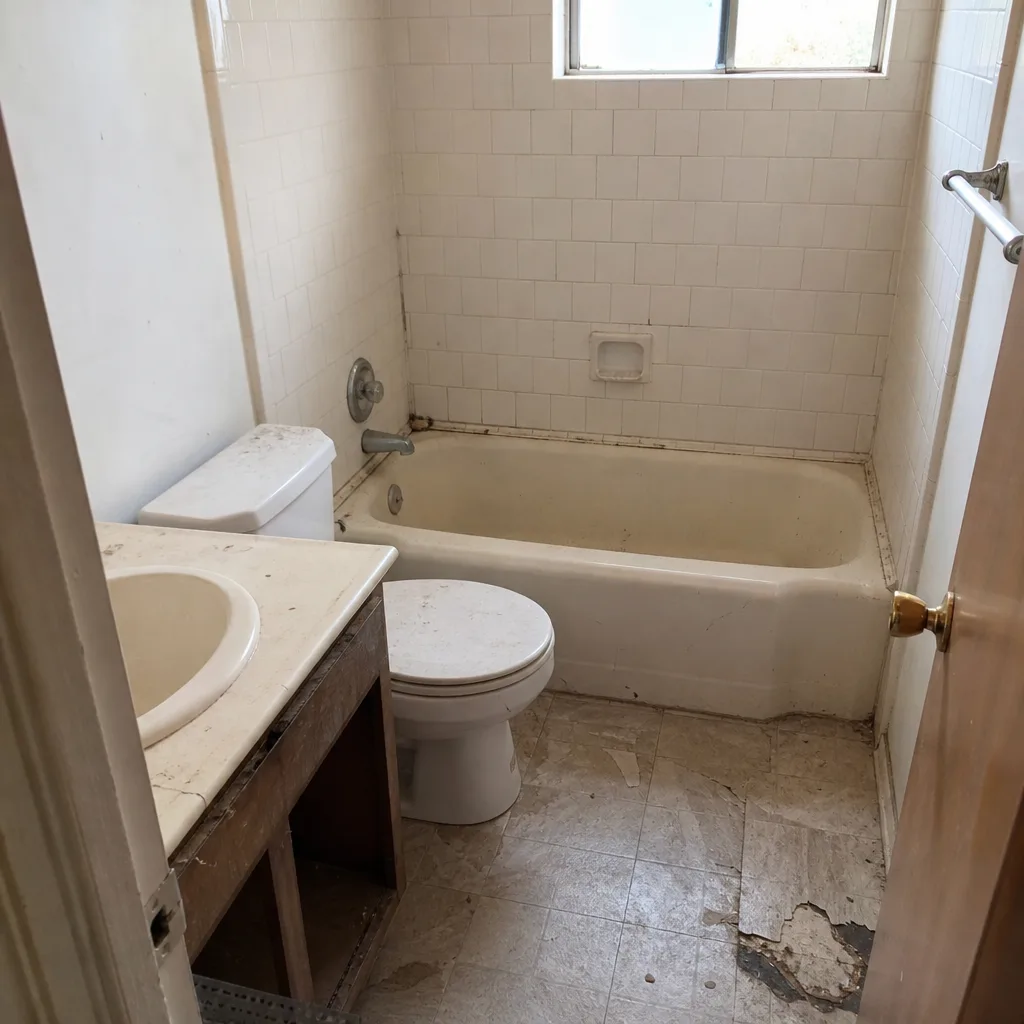
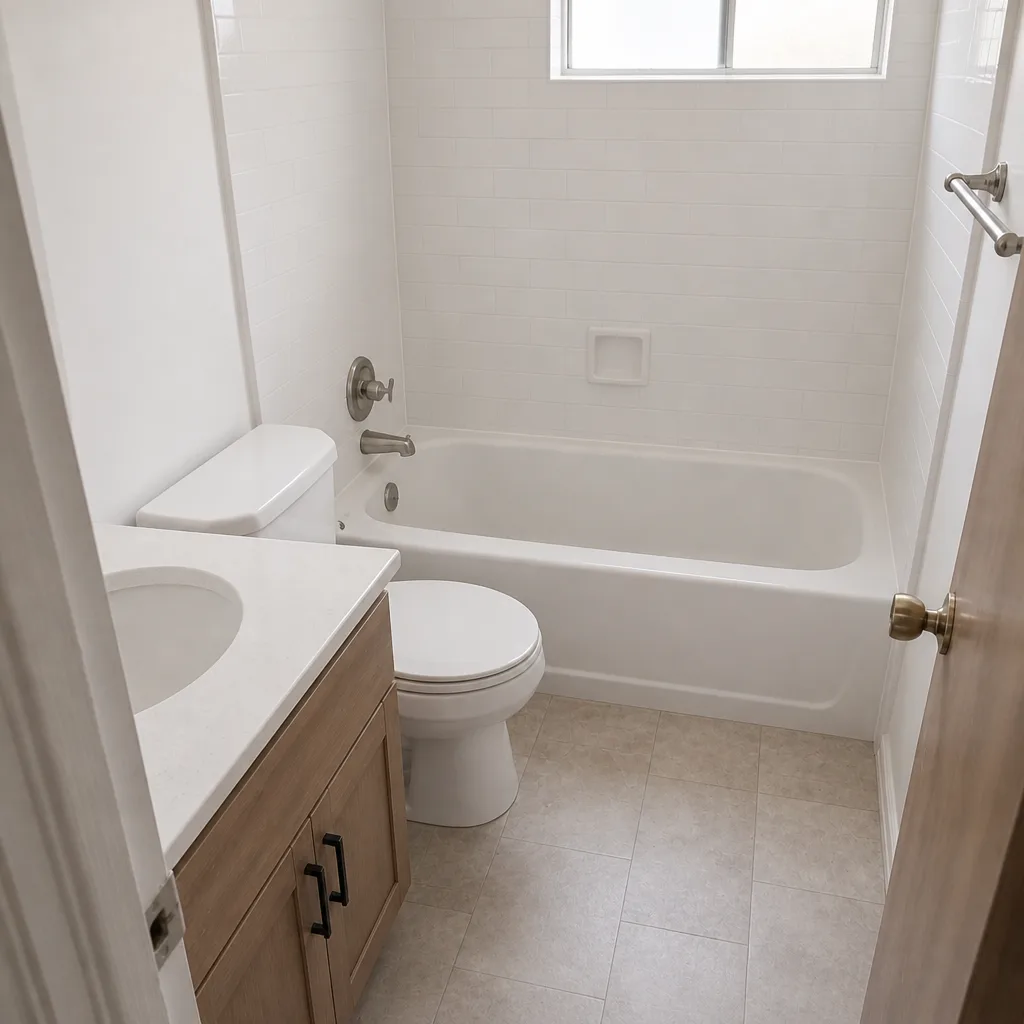
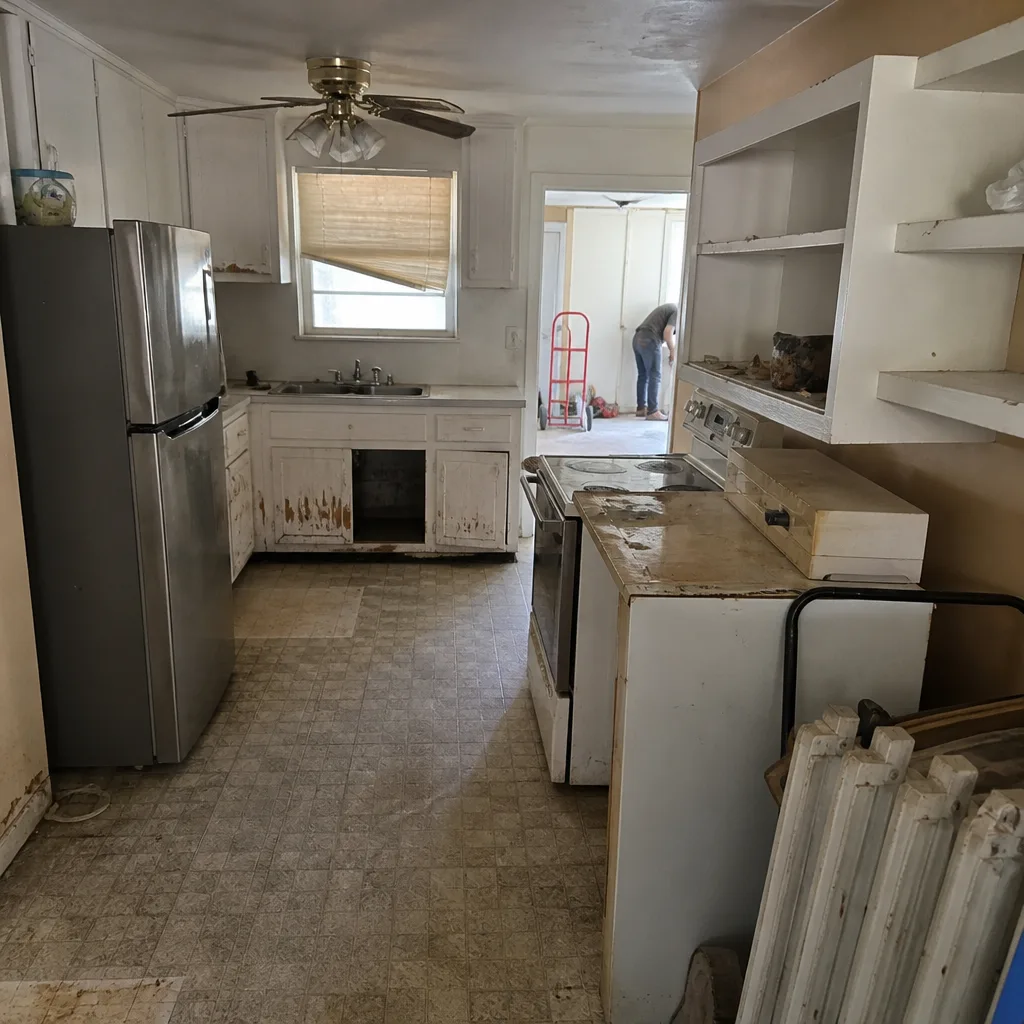
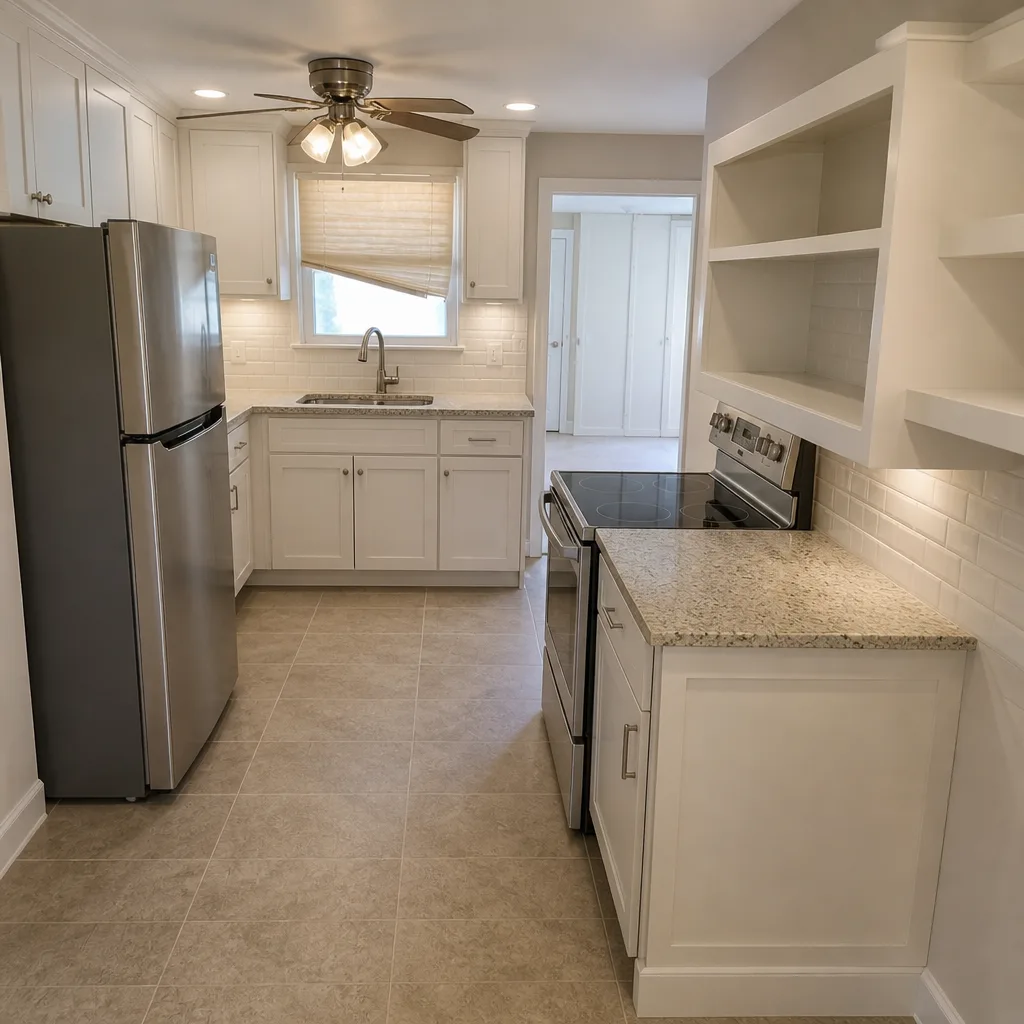
A full kitchen remodel in Mesquite in 2026 runs roughly $28,000 to $78,000, with most gut renovations landing in the $45,000 to $65,000 range. A bathroom remodel runs $12,000 to $32,000, with a typical full bath landing near $20,000. Those ranges are wide because kitchens and baths are where material choices swing the budget hardest.
What drives a kitchen budget
- Cabinetry: The largest single line. Semi-custom lines like KraftMaid and Wellborn sit in the middle; fully custom costs significantly more.
- Countertops: Quartz from Cambria, Silestone, or Caesarstone costs more than laminate but holds up and reads as an upgrade at resale.
- Layout changes: Moving a sink or range means moving plumbing and gas, which adds real labor and may require permits.
- Fixtures: Sink and faucet choices from Kohler, Moen, or Grohe range from modest to premium.
What drives a bathroom budget
Bathrooms are small but labor-dense because everything is wet and everything has to be waterproofed correctly. A tile shower done right uses a proper waterproofing system like Schluter rather than a painted-on membrane, and that’s a real line item that protects your investment. Fixtures from Toto, Sterling, or Grohe are common upgrades from builder-grade. Moving a toilet or adding a second sink changes the plumbing scope and the price.
In Mesquite, older homes often have cast-iron drain lines that are near the end of their life. If a remodel opens the floor, that’s the moment to address them, and it’s better to plan for it than discover it. A written line-item estimate that includes a contingency for hidden conditions is the honest way to handle a bathroom remodel.
Kitchen and bathroom projects are where we help you choose materials rather than research them alone. That matters because the difference between a $45,000 kitchen and a $65,000 kitchen is often a few specific decisions – cabinet line, countertop, and fixture package – made in the right order.
Fence Installation Costs
A standard wood privacy fence in Mesquite in 2026 runs about $22 to $38 per linear foot installed, so a typical 150-foot backyard fence lands between $3,300 and $5,700. Metal and ornamental fencing costs more, and material choice is the main driver.
- Wood: Most affordable, but needs periodic treatment in North Texas heat and humidity. Pressure-treated pine is the common choice.
- Vinyl: Higher upfront, no painting. Bufftech is a common line.
- Aluminum and steel ornamental: Higher cost, longer life, and better for front-yard curb appeal. Ameristar and Jerith are brands we work with, and Master Halco covers a range of fence systems and hardware.
What inflates a fence quote in Mesquite is, again, the soil. Post holes in clay need to be dug deeper and set in concrete properly, because a post set too shallow in expansive clay will lean within a few years. Gates and gate hardware add cost. Removing an old fence and hauling it off adds cost. Corner lots and fences that run along property lines with grade changes cost more to install plumb.
If a fence is part of a larger exterior refresh, our fence installation work is often coordinated with driveway and landscaping projects so the site is disrupted only once.
Home Additions and ADU Costs
A detached accessory dwelling unit (ADU) in Mesquite in 2026 runs anywhere from $95,000 for a prefab-platform option to $260,000 or more for a fully custom build. A conventional home addition runs roughly $180 to $320 per square foot, so a 400-square-foot addition lands between $72,000 and $128,000. These are big numbers, and they’re the projects where the difference between prefab and custom matters most.
Two paths to more living space
- Prefab-platform ADUs. Companies like Abodu, Cover, Dvele, Mighty Buildings, Boxabl, Plant Prefab, and Tuff Shed offer factory-built units that arrive largely complete. The appeal is speed and predictable cost. The trade-off is less design flexibility.
- Custom additions. Stick-built on your lot, designed to match the house. More expensive and slower, but the result is a true extension of the home rather than a bolt-on unit.
The cost drivers on an ADU or addition in Mesquite are foundation, utility connections, and site work. Clay soil can require engineered footing design. Running electrical, plumbing, and gas from the main house is real trenching and real labor. Permits and engineered plans are required, and they’re a fixed cost, not a negotiable one.
This is where having one contractor matters. Our home additions & ADU work spans both prefab and custom paths, which means the advice you get is about what fits your lot and budget, not about what a single vendor happens to sell.
How Material Brand Selection Shifts the Number
Brand selection is the most controllable lever on a project budget, and it’s where homeowners often lose the thread. Two roofs of the same size can differ by thousands of dollars based on the shingle line. Two decks of the same footprint differ by thousands based on decking material.
The clearest example is decking. Pressure-treated wood costs roughly $18 to $28 per square foot installed. Composite decking like Trex runs $30 to $50 per square foot installed. The composite costs more upfront but needs no annual sealing or staining, and in North Texas sun it holds color far longer. Over a decade, the math often favors composite even though the sticker price is higher.
Roofing follows the same pattern. A builder-grade three-tab shingle is cheaper per square than a premium architectural line from GAF, CertainTeed, or Owens Corning. But three-tab shingles are thinner, less hail-resistant, and shorter-lived, which makes them a false economy in a hail-prone market.
In kitchens and baths, the brand deltas are similarly real:
- Cabinet lines: KraftMaid and Wellborn sit above builder-grade stock cabinets in both price and construction quality.
- Countertops: quartz from Cambria, Silestone, or Caesarstone costs more than laminate, but resists scratches and staining far better.
- Fixtures: Toto and Grohe sit above commodity brands in price and longevity; Moen and Kohler span a wide range within their own catalogs.
The point isn’t to buy the most expensive option in every category. It’s to know which categories reward spending (roofing, waterproofing, cabinet boxes) and which ones you can reasonably economize on (paint color, hardware finish). That decision-making is a service, not a sales pitch.
What’s Fixed and What’s Negotiable
Homeowners often assume everything on an estimate is negotiable. Some of it genuinely isn’t. Knowing which is which saves you from wasting negotiating energy and helps you spot a contractor who’s cutting corners to win a bid.
Genuinely fixed costs
- Permit fees. Set by the municipality. Nobody can waive them, and a contractor who says they can isn’t being straight with you.
- Inspection fees. Required by code and paid to the inspecting authority.
- Engineered plans. If the project needs an engineer’s stamp – additions, some foundation work, structural changes – that cost is real.
- Material at commodity prices. Concrete, lumber, and shingles are priced by the market. Nobody has a secret discount that beats the market by 30%.
Genuinely negotiable costs
- Material grade. Choosing a mid-tier cabinet or a mid-tier shingle line instead of the top tier is the biggest negotiable lever.
- Labor scope. Doing some of the demolition yourself, or choosing finishes that are easier to install, can lower labor.
- Timing. A project that can wait for slower season may get better scheduling terms.
- Bundling. Combining projects under one contractor shifts mobilization and material costs in your favor.
What you should never negotiate is the base prep, the waterproofing, or the permit. Those are the parts of the job that aren’t visible when it’s done and are the entire reason it lasts.
Bundling Projects and the 10-18% Savings
Bundling multiple projects with one contractor in Mesquite typically reduces total cost by 10% to 18% through mobilization and material economies. That’s not a marketing claim; it’s arithmetic. Every time a crew has to mobilize to your property, set up, and tear down, that cost is baked into the quote. Do it once for several projects and you save that cost several times over.
There’s a second savings that’s less obvious. When the same contractor handles a roof, a driveway, and a fence, the site work can be sequenced so one trade doesn’t undo another’s work. The concrete truck that would damage a new fence is scheduled before the fence goes in, not after. That’s coordination you don’t pay extra for when it’s one contractor’s job to get right.
Material economies are the third piece. A contractor ordering roofing, fencing, and pavers from the same suppliers, and coordinating cabinet and countertop deliveries from the same vendor network, can often get better terms than a homeowner buying from multiple sources – and passes some of that through. The savings vary by project size and scope, but a 10% to 18% reduction on a combined six-figure project is real money.
This is the practical argument for full-scope work. Seven distinct service categories – roofing, windows and doors, kitchen, bathroom, home additions and ADU, fencing, and driveways and pavers – handled under one contract and one warranty relationship. The homeowner gets one point of accountability, and the budget gets the benefit of a single mobilized team.
If you’re weighing a bundle, list all the projects you want done in the next 18 months and bring that list to the first estimate conversation. That’s when the bundling math works in your favor.
Common Mistakes to Avoid
- Comparing square-foot prices without comparing scope. A $10-per-square-foot driveway in Mesquite and a $16-per-square-foot driveway are often not the same product. The cheaper one usually skips subgrade prep, and that’s a five-figure mistake disguised as a deal.
- Choosing the cheapest shingle line in a hail market. Builder-grade three-tab shingles across the Dallas area get hammered. The premium for a hail-rated architectural shingle is one of the best returns on a roofing budget in this climate.
- Doing a kitchen or bath remodel without waterproofing properly. A tile shower built on a painted-on membrane rather than a real system like Schluter will fail, and the repair means tearing out the tile you just paid for.
- Assuming permits are included without confirming in writing. A permit is a fixed cost. If it’s not on the written line-item estimate, ask why, before the work starts.
- Hiring separate contractors for projects that touch each other. A driveway, a fence, and an ADU share the same site and the same subgrade. Three contractors working independently often undo each other’s work along the way.
- Choosing a prefab ADU purely because it’s cheaper. Prefab saves time and cost but locks the design. If lot access or site grading is difficult, a prefab deployed on a difficult lot can eat its cost advantage in site work.
- Ignoring the conditions behind the wall. Opening a wall in an older Mesquite home can reveal cast-iron drain lines or outdated wiring. Plan for a contingency in the estimate rather than pretending discovery won’t happen.
See the difference
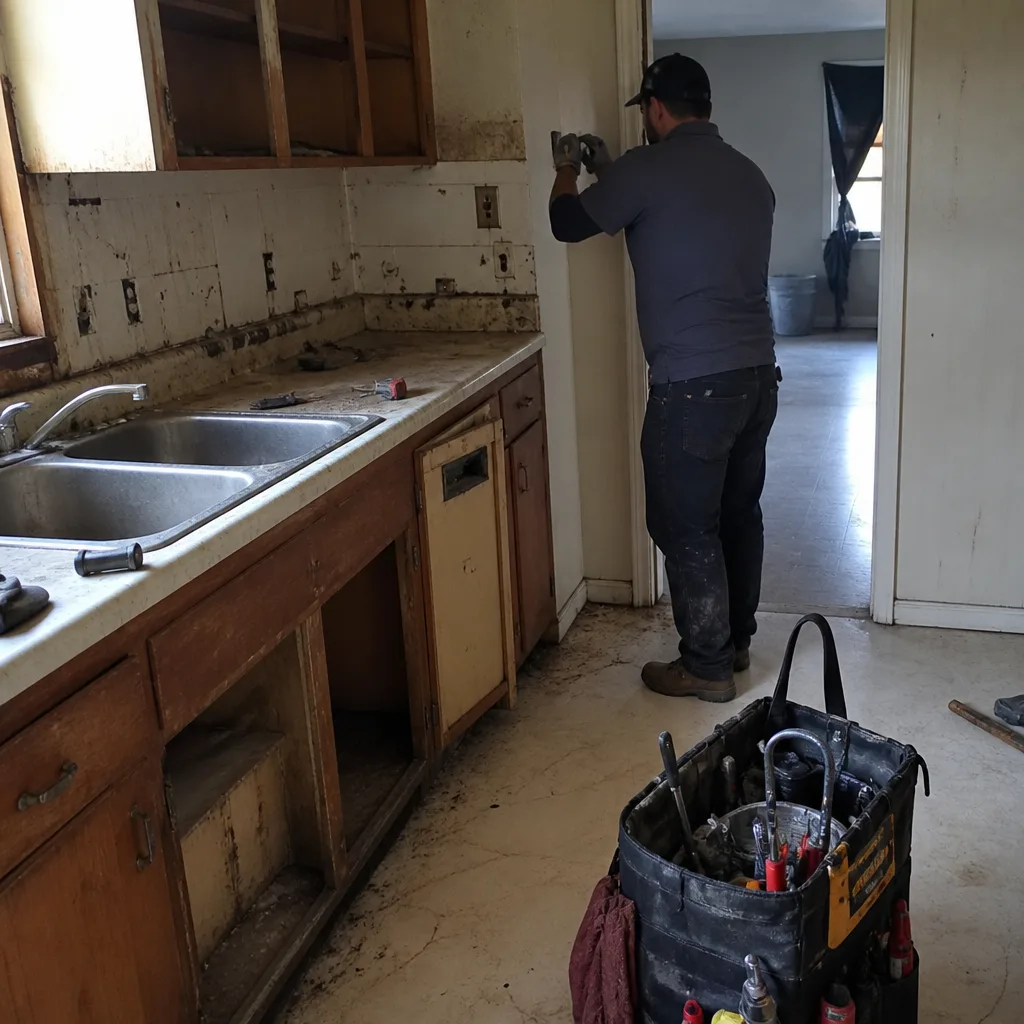 Before
 After
 Before
 After
 Before
 After
When to Call a Professional
Some projects are obvious calls for a professional: a full roof replacement, a structural addition, a full kitchen or bathroom gut renovation, and any ADU. These all involve permits, inspections, and structural or life-safety work that an untrained crew should not be attempting. Other calls are less obvious. A fence that keeps leaning, a driveway with new cracks, or a roof that looks fine but is over twenty years old are worth a professional assessment before the problem gets expensive.
If you’re unsure whether your project needs a permit or a structural engineer, that’s a question worth asking on a free estimate rather than guessing. Construction Mesquite offers free estimates in Mesquite – call (844) 761-6059. We answer 24/7. Fast dispatch from 7am to 7pm, Sunday through Friday. Written line-item quotes and fixed pricing with no change orders are part of every estimate, so you know the number before the work starts.
Frequently Asked Questions
A full roof replacement in Mesquite in 2026 typically runs $14,000 to $32,000, with most standard single-story homes landing near $18,000 to $24,000 for a hail-rated architectural shingle system. The number moves with roof size, pitch, complexity, and whether decking repair is needed once the old shingles come off. Call (844) 761-6059 for an exact quote – estimates are free.
Expansive clay soil is the main reason. The higher price reflects a thicker compacted base, a vapor barrier, and rebar rather than mesh, all of which are necessary for a driveway to survive in North Texas. Without that prep, a driveway cracks and fails within a few seasons. Call (844) 761-6059 for an exact quote – estimates are free.
Fixed pricing with no change orders is how we work, so the number on the written line-item estimate is the number you pay unless you approve a scope change. Hidden conditions – like soft decking under a roof or cast-iron drain lines under a bathroom – are the main reason a price can move. A good estimate plans for those conditions in advance. Call (844) 761-6059 for an exact quote – estimates are free.
Yes. Permits are a fixed cost and a required part of nearly every structural, roofing, and addition project. We pull the permits and arrange the inspections. If a contractor’s estimate doesn’t list permit fees as a line item, ask about it before signing anything. Call (844) 761-6059 for an exact quote – estimates are free.
A full bathroom remodel typically takes 4 to 7 weeks, and a full kitchen gut renovation takes 8 to 12 weeks, depending on cabinet and countertop lead times. Projects that move plumbing or electrical take longer because of inspections. Adding an ADU is a longer timeline entirely, often several months. Call (844) 761-6059 for an exact quote – estimates are free.
Yes, and it usually reduces total cost by 10% to 18% through mobilization and material economies. Combining a roof, driveway, or fence with interior work lets one contractor sequence the site work so trades don’t undo each other’s work. Bring your full project list to the first estimate conversation to get the bundling math. Call (844) 761-6059 for an exact quote – estimates are free.
The Bottom Line
National averages don’t tell you much about a Mesquite project. Clay soil, hail-rated roofing requirements, and DFW labor rates push the real numbers higher than the charts you’ll find online, but the ranges on this page show what proposals actually look like in 2026. The biggest controllable levers are brand selection and bundling several projects under one contractor. The non-negotiable parts – base prep, waterproofing, permits, and engineered plans – are exactly what you should never negotiate down, because they’re what makes the work last. Get a written line-item estimate with fixed pricing before anything starts.
When you’re ready to price your project, call (844) 761-6059 for a free estimate. We answer 24/7. Fast dispatch from 7am to 7pm, Sunday through Friday. One contractor can carry your project from the driveway to the roofline, from permit to punch-list.
Written by the team at Construction Mesquite.