
Last updated November 17, 2026
 Home additions & ADU
 Kitchen remodeling
 Bathroom remodeling
 Roofing
 Windows & doors
 Driveway & pavers
 Fence
Free written scope consultation - allowances, timeline, and change-order rules on paper before a single trade is scheduled
Construction Emergency Preparedness Guide for Mesquite Homes
Most homeowners treat emergency prep as a list of phone numbers on the fridge. The part that actually matters is what you do in the first hour, before anyone answers that phone. Long before a hailstorm rolls through or a hard freeze cracks a pipe, the household that already knows where the main shutoff sits and has the right contractor saved responds faster than the neighbor who’s googling in the dark. This guide is written from Mesquite, for Mesquite, and it walks through the three crises we see most (hail, freeze-related pipe failure, and foundation movement after heavy rain), how to protect an insurance claim in the first 24 hours, and the prep list to finish before storm season.
Quick Answer
Construction emergency preparedness in Mesquite means three things: knowing how to shut off your water and gas, documenting damage correctly in the first 24 hours so your insurance claim holds up, and having a vetted contractor lined up before you need one. The three most common crises here are hail damage in spring and fall, freeze-related pipe bursts during rare hard freezes, and foundation movement after drought-to-rain soil swings. Prepare for all three now, and you’ll respond in hours instead of days.
Styles & brands we work with
- Kitchen remodeling
- Bathroom remodeling
- Home additions & ADU
- Roofing
- Windows & doors
- Driveway & pavers
- Fence
Table of Contents
- The Three Crises That Hit Mesquite Homes
- The Critical First 48 Hours: A Response Sequence
- What to Document, Photograph, and Report
- Emergency Tarp and Board-Up Standards
- Vetting a Contractor Under Pressure
- When the Ground Moves: Foundation Response
- Your Pre-Emergency Prep List
- Common Mistakes to Avoid
The Three Crises That Hit Mesquite Homes
Mesquite sits in a stretch of North Texas where the weather swings hard and the soil underneath does too. That combination produces three emergency categories that account for most of the serious damage we’re called about. Knowing which one you’re facing tells you what to do first.
Hail damage. Spring and fall bring the biggest hail risk. Roof shingles crack, granule loss exposes the mat, and vents, gutters, and window screens take hits. Hail rarely collapses a roof in one storm, but it opens the door to water intrusion over the following weeks. The emergency isn’t the hail itself; it’s the leak that starts three days later.
Freeze-related pipe failure. Hard freezes are rare in Mesquite, which is exactly why they catch people off guard. Pipes in exterior walls, attics, and garages are the usual suspects. A burst pipe can dump hundreds of gallons before anyone notices. This is the one crisis where the first five minutes matter most.
Foundation movement after heavy rain. Mesquite’s clay-heavy soil expands when wet and shrinks when dry. A long drought followed by a soaking rain can shift a foundation fast. You’ll see new cracks in drywall, doors that suddenly stick, or a floor that feels different underfoot. It’s not always an emergency, but it’s always worth a fast assessment.
The Critical First 48 Hours: A Response Sequence
The difference between a small repair and a large insurance claim usually comes down to the first two days. Here’s the sequence we recommend for each crisis, in order.
If a pipe bursts or you suspect a freeze failure
- Shut off the main water valve. Know its location before this happens. Most Mesquite homes have it near the street or at the side of the house.
- Kill power to any wet area. If water is near outlets or a panel, don’t touch the panel. Call an electrician and stay out of standing water.
- Call your insurance company and open a claim. Do this before cleanup so the adjuster knows the timeline.
- Photograph everything before you move it. Wide shots first, then close-ups.
- Start drying. Fans and dehumidifiers help, but don’t tear out drywall until the adjuster has seen it.
- Call a licensed plumber for the repair. Document their license and the invoice.
If hail hits
- Wait until it’s safe, then walk the exterior. Look for cracked shingles, dents in vents, and damaged screens.
- Photograph the roof from the ground if you can do so safely. Never climb a wet roof.
- Check the attic for daylight or water stains once the storm passes.
- Open the claim, then call a roofer for an inspection. A written inspection report supports the claim.
- Tarp any active leak until repair can be scheduled.
If the foundation shifts after rain
- Photograph new cracks with a tape measure for scale.
- Note which doors and windows have started sticking.
- Don’t patch the cracks yet. You need the evidence.
- Call a foundation specialist for an assessment. Not every crack means trouble, but a professional should decide.
What to Document, Photograph, and Report
Insurance claims live or die on documentation. The adjuster wasn’t there when the damage happened, so your photos and notes are the record. Here’s what to capture and what to leave alone.
Photograph before you clean up. Wide shots establishing the room or elevation, then close-ups of damage, then a shot that ties the two together. Date stamps help.
Keep a written log. Time of discovery, what you did first, who you called, when they arrived. A simple notebook works.
Save receipts for anything you spend. Tarps, fans, a hotel if the home isn’t livable. Most policies reimburse reasonable mitigation costs, but only with receipts.
Don’t repair structural damage until the adjuster arrives. This is the one that costs homeowners the most. If you replace the roof before the adjuster sees the hail damage, you’ve erased the evidence. Temporary protection (tarps, board-up) is expected. Permanent repair is not.
Don’t throw anything away. Damaged carpet, drywall, and cabinetry should stay until the adjuster signs off. Photograph it, stack it in the garage if needed, but keep it.
Report the claim early. Most policies require prompt notice. A same-week call protects you; a three-week call raises questions.
Emergency Tarp and Board-Up Standards
When a storm opens your roof or shatters a window, you need to protect the interior right away. That protection also happens to be something Mesquite’s property maintenance rules care about. A tarp that flaps in the wind or a boarded window that’s crooked can trigger a code complaint from a neighbor or inspector. Here’s how to do it so both your insurer and the city are satisfied.
- Tarp over the ridge, not just over the hole. A tarp that stops at the edge of the damaged area will rip free in the next wind. Overlap the peak and secure every edge.
- Use weighted or screwed-down fasteners, not bricks. Bricks and pavers are a projectile hazard. Screw-in battens are standard.
- Cover the entire damaged plane, plus 2 feet past the edge. Water runs downhill fast.
- Board windows from the inside when possible. Exterior boarding is fine when needed, but pre-fit panels from the inside are cleaner and faster.
- Photograph the temporary repair. Your insurer needs to know what you did and when.
- Schedule the permanent repair quickly. A tarp is meant for days, not months. Long-term tarps invite code complaints and multiply the eventual cost.
If the damage is combined (roof and window), handle the windows first. A tarp mitigates water intrusion; a boarded window keeps the house secure from the street.
Vetting a Contractor Under Pressure
When your roof is open and you’re stressed, the wrong contractor is more dangerous than the storm. Storm chasers follow hail events, knock on doors within days, and disappear once the check clears. Here’s how to tell the difference fast.
Check the license. Texas requires roofing contractors to carry specific licensing. Ask for the license number and verify it through the state’s licensing database on your phone before you sign anything.
Check local presence. A legitimate contractor working in Mesquite has references here, not just in the town they drove from. Ask for three recent local addresses you can drive past.
Ask about the inspection report. A real contractor provides a written inspection, not a verbal pitch on the driveway. They’ll show you photos of the damage.
Never sign a contract on the spot. Storm chasers push for immediate signatures to lock in a high price before you shop around. A legitimate contractor hands you a written estimate and lets you think.
Beware “we’ll handle your insurance for you.” No contractor should negotiate your claim directly with the adjuster. They can meet the adjuster on-site, but the claim is yours.
No deposit until you have a written contract with a scope of work, timeline, and warranty spelled out.
For roofing specifically, ask which manufacturer’s systems they’re familiar with. A contractor who works with recognized lines like Tamko, Boral, GAF, or Owens Corning has access to better materials and manufacturer-backed installation standards. For windows and doors, ask about impact-rated lines like PGT or CGI. If they can’t name brands or explain the difference, keep looking.
When the Ground Moves: Foundation Response
Foundation movement in Mesquite is usually slow and gradual – until it isn’t. A long dry summer shrinks clay soil, and a heavy rain event rehydrates it fast. That swing can shift a foundation enough to crack drywall and throw doors out of alignment.
What to watch for:
- Cracks in interior drywall longer than a quarter inch, especially diagonal cracks at corners of windows and doors
- Doors that stick or swing open on their own
- New cracks in brick or stone on the exterior
- Uneven floors or a noticeable slope in one room
- Gaps where walls meet ceilings or floors
What to do:
- Photograph everything with a tape measure for scale. Date the photos.
- Don’t patch cracks yet. The patching erases the evidence.
- Check your homeowner’s policy. Foundation coverage varies widely. Know what yours actually covers.
- Get a professional assessment. A structural or foundation specialist can measure movement precisely and tell you whether it’s a watch-and-wait situation or a stabilization job.
- Don’t call a mudjacking or pier contractor first. Call someone who diagnoses, then choose the repair method based on the diagnosis.
If the foundation issue is paired with a plumbing leak (beneath the slab), the fix gets more involved. Often the plumbing is repaired first, then the foundation is assessed again after the soil around it stabilizes. Don’t rush to stabilize a foundation before the pipe underneath it is fixed.
Your Pre-Emergency Prep List
None of the above works if you don’t have the basics in place. Here’s the list every Mesquite homeowner should finish before storm season starts. It takes an afternoon and saves days.
- Locate your main water shutoff. Tag it. Make sure everyone in the house can find it.
- Locate your gas shutoff. Same drill. Know that a utility professional should handle the actual gas line, but everyone needs to know where it is.
- Locate your electrical panel. Label the breakers.
- Photograph every room in your home. Walls, ceilings, floors, furniture. A complete video walkthrough works too – store it in the cloud.
- Save these contacts: plumber, roofer, electrician, foundation specialist, and your insurance agent. A simple note on your phone works.
- Read your homeowner’s policy. Know your deductible, your coverage limits, and specifically whether foundation issues and freeze damage are covered.
- Keep a small emergency kit with flashlights, a tarp, plastic sheeting, and duct tape. Nothing fancy, but nothing to shop for during a storm.
- Get a roof inspection before storm season. It costs nothing from a reputable contractor and establishes a baseline.
If you’re also planning upgrades, this is where a single-source contractor helps. A roof inspection that turns into a roofing project is easier to coordinate with the same team handling your windows and doors. Construction Mesquite handles that coordination from the driveway to the roofline.
Common Mistakes to Avoid
- Repairing before the adjuster sees it. Replacing the roof or drywall before the inspection erases the evidence your claim depends on.
- Hiring the first door-knocker after a hail event. Storm chasers show up fast, quote fast, and leave faster. Verify a license and local references first.
- Forgetting to photograph before cleanup. An adjuster can’t re-create a scene. If you didn’t photograph it wet, you lose the claim (or part of it).
- Ignoring small foundation cracks after heavy rain. A crack that runs a quarter inch wide is a signal. Patch it without a diagnosis and the next crack shows up in a load-bearing wall.
- Skipping the freeze prep. Disconnecting hoses, insulating exterior pipes, and knowing where the shutoff is takes minutes. A frozen pipe repair in the middle of a rare hard freeze does not.
- Letting a temporary tarp become permanent. A tarp is a bridge, not a roof. Long-term tarps invite code complaints and multiply repair costs.
- Assuming your policy covers interior water damage from a freeze. Some do, some don’t. Read it before the freeze, not after.
See the difference
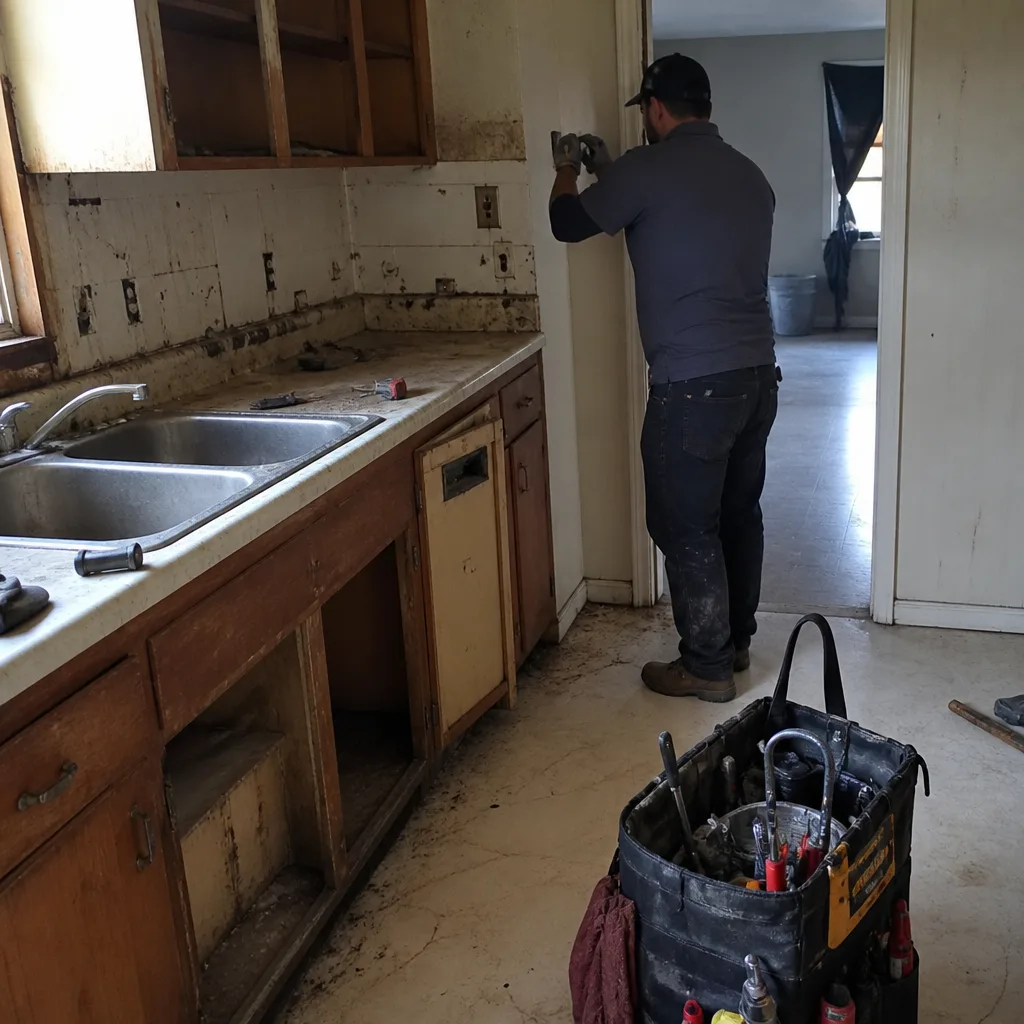 Before
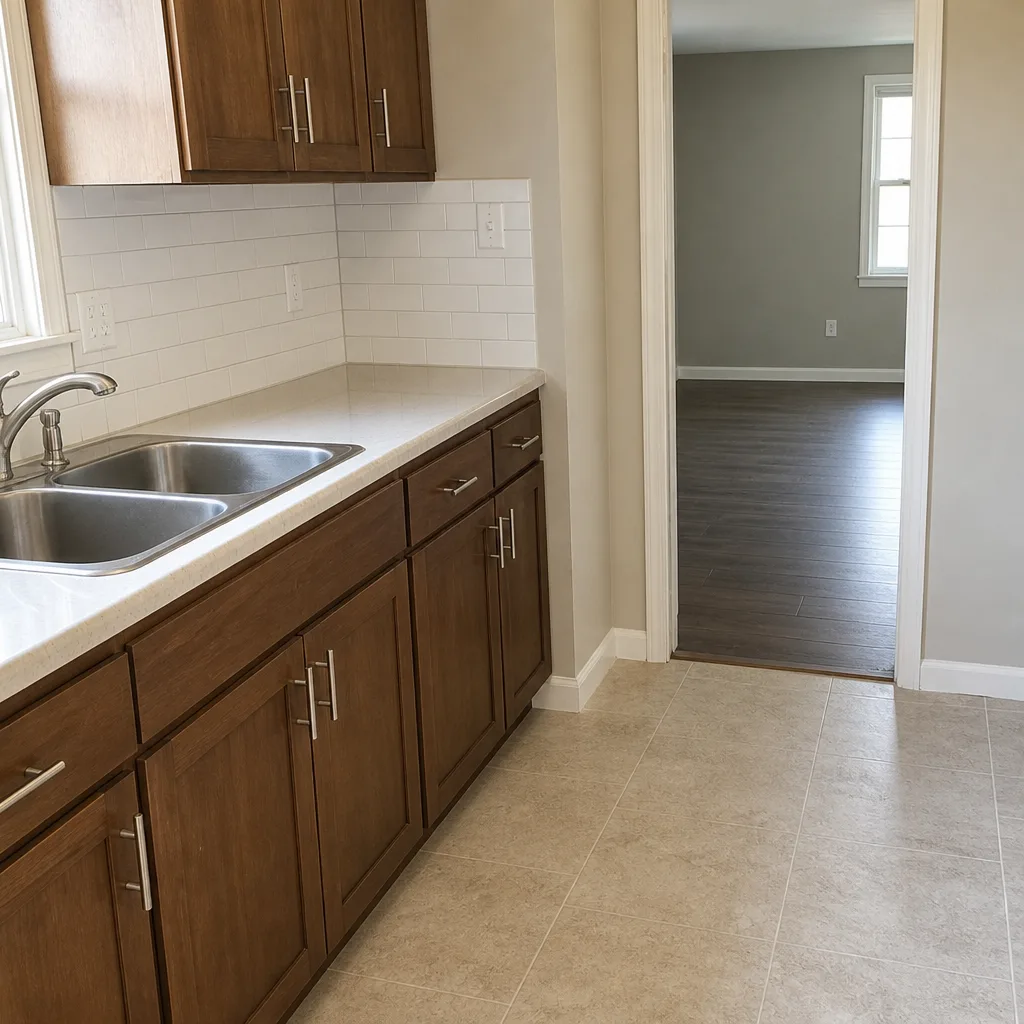 After
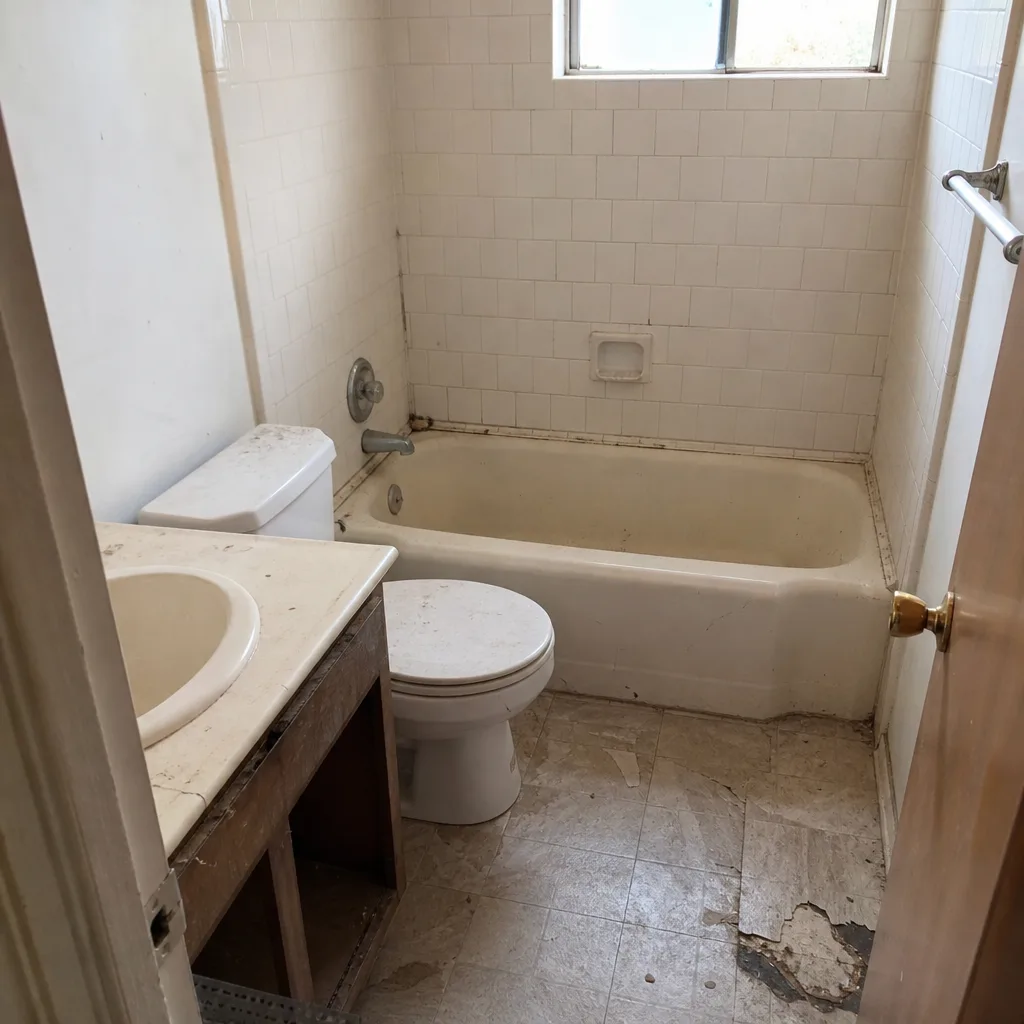 Before
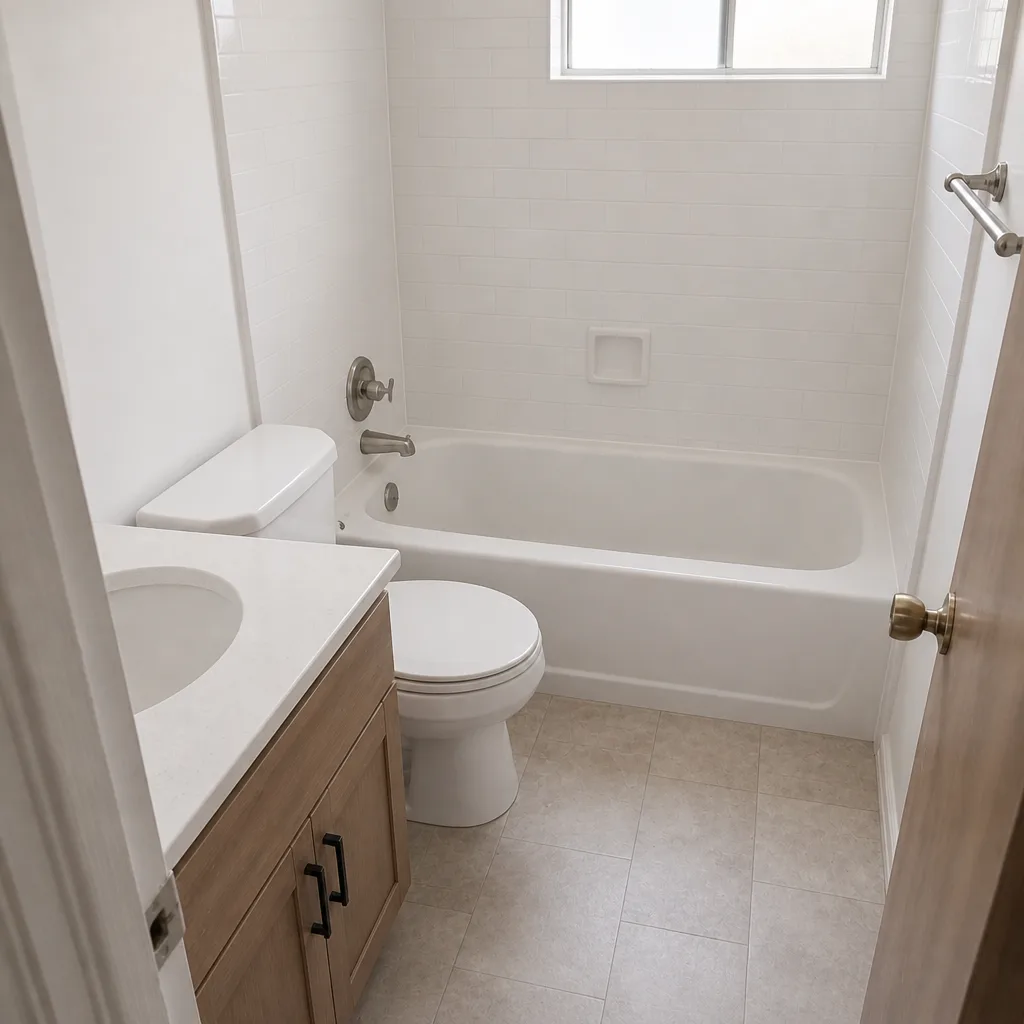 After
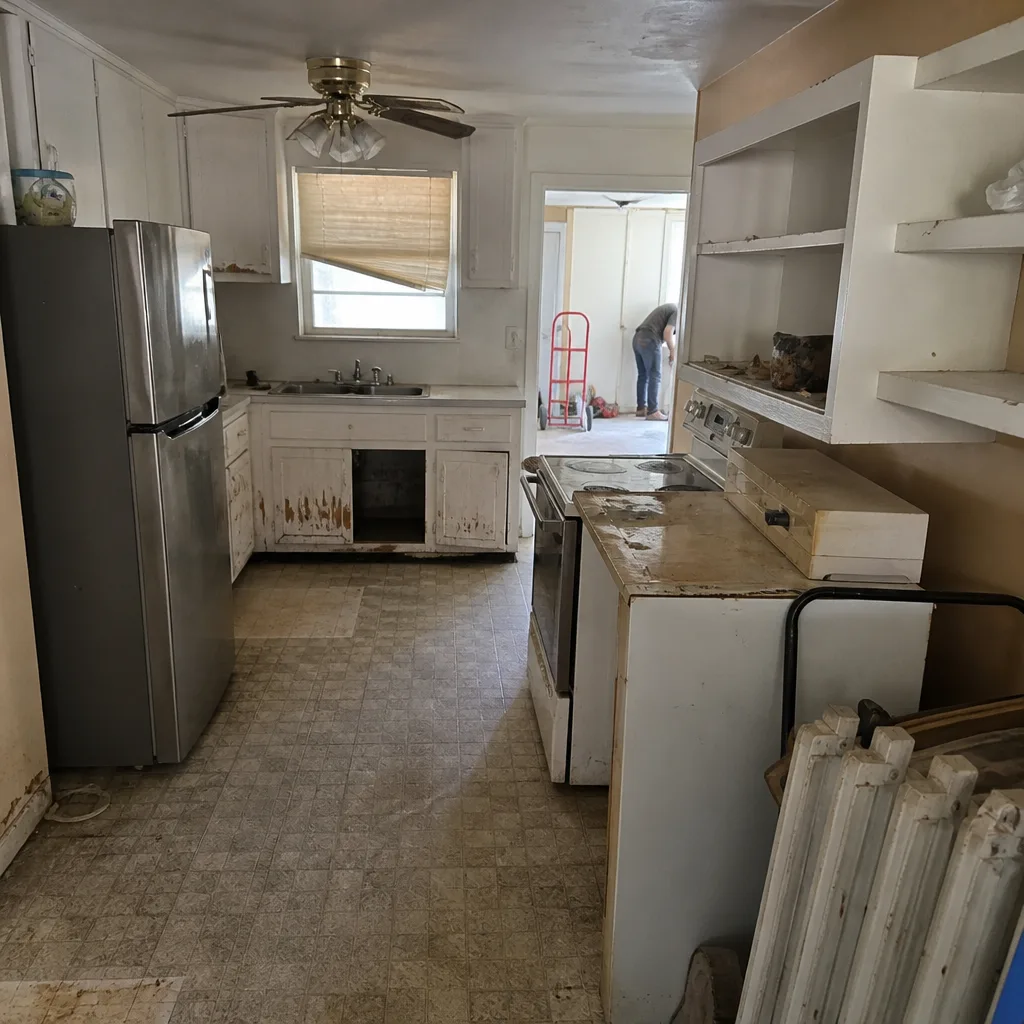 Before
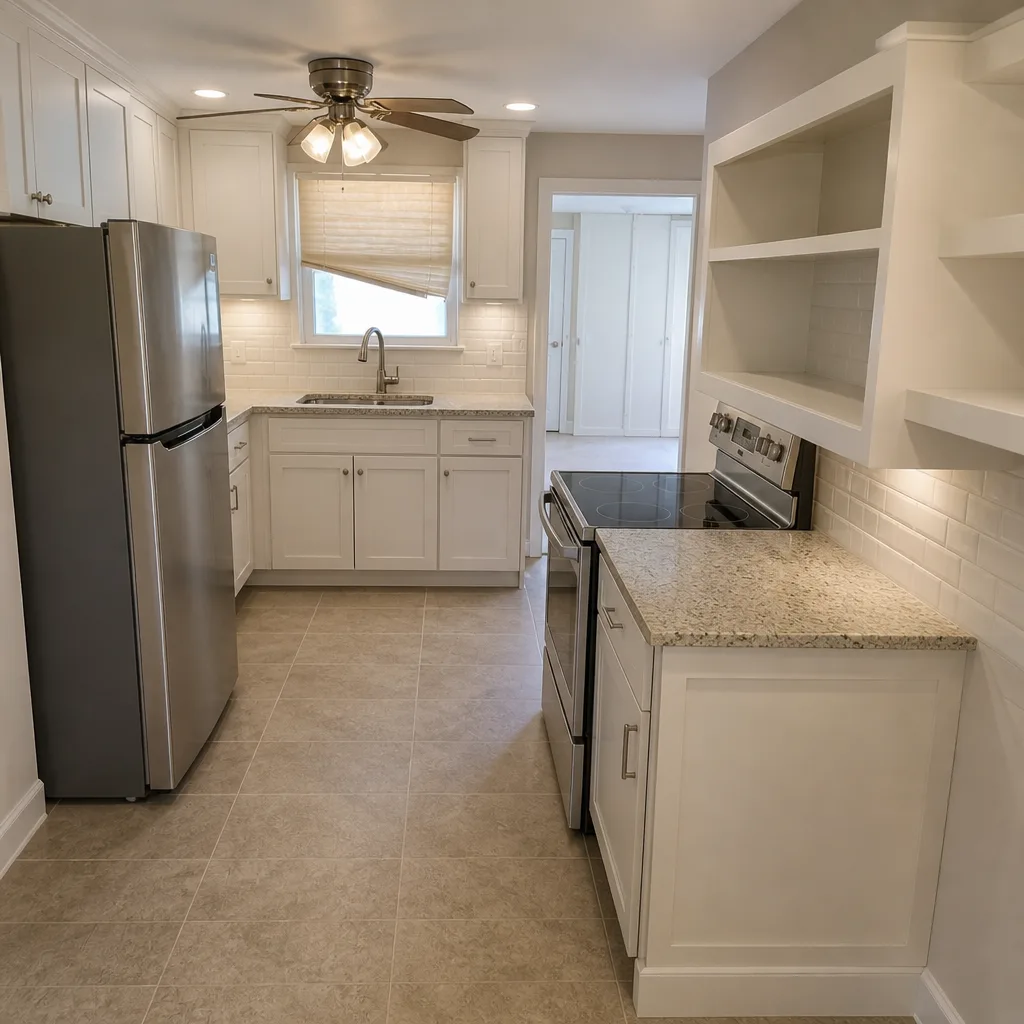 After
When to Call a Professional
Some things you handle yourself. Others need trained hands, and calling early usually costs less than calling after the damage spreads.
Call a professional when roof damage is present and a leak has started, when any plumbing is involved with a burst or suspected freeze damage, when foundation movement is measurable, or when hail damage appears in the roof inspection. Also call when you spot any live electrical concern – water near a panel, a burning smell, outlets sparking. Those are same-week calls, not watch-and-wait calls.
For planned work, the safest call is early. A roofing inspection after a hail event or a foundation assessment before cracks widen is a lot cheaper than a full rebuild. Construction Mesquite offers free estimates in Mesquite and can be reached at (844) 761-6059. We answer 24/7. Fast dispatch from 7am to 7pm, Sunday through Friday. Our technicians have up to 13 years of experience, and all work is licensed and insured with written line-item estimates before any job starts.
Frequently Asked Questions
Shut off the main water valve, then kill power to any wet area, then call your insurance company. Photograph everything before you start cleanup. Knowing where your shutoff is located is the single most important prep step for a freeze-related burst – if you don’t know where it is, find out this week.
Yes, most Texas homeowner policies cover hail damage to the roof and exterior. Coverage limits depend on your policy and deductible, and some newer policies use actual cash value rather than replacement cost for roofing. Call (844) 761-6059 for an inspection, and read your policy before storm season so you know exactly what’s covered.
Any crack wider than a quarter inch, especially a diagonal crack at a window or door corner, warrants a professional assessment. Small cosmetic cracks in drywall or paint are usually not emergencies. When in doubt, photograph with a tape measure for scale and get an inspection.
We can meet your adjuster on-site to help document the damage and explain the scope of work. The claim itself stays in your name – we don’t negotiate it for you, and no legitimate contractor should. Call (844) 761-6059 to schedule an inspection before the adjuster visits.
Don’t wait. Call for an inspection as soon as it’s safe. Tarping a leak within the first 24 to 48 hours prevents interior damage that compounds the repair cost and complicates the claim. Schedule the inspection right after the storm, even if you don’t see obvious damage from the ground.
Yes. Roofing, windows, and doors under one contract is exactly the coordination headache we’re built to eliminate. If the same storm also damaged the fence or opened a wall into an addition, the scope can stay with one team. Call (844) 761-6059. We answer 24/7. Fast dispatch from 7am to 7pm, Sunday through Friday.
The Bottom Line
Emergency preparedness in Mesquite isn’t about buying fancy gear. It’s about knowing three things before a storm: where your shutoffs are, how to document damage so the insurance claim holds, and which contractor to call so you’re not vetting strangers in the middle of a crisis. The three crises we see most – hail, freeze failure, and foundation movement – all respond to the same approach: prepare now, photograph early, and don’t repair anything permanent until the adjuster has signed off. Get your prep list finished this month, before the next storm season rolls through Mesquite. The work you do now is the work that saves you later.
Ready to line up your pre-season inspection or quote a repair? driveway & pavers and fence installation are part of the same exterior plan as your roof and windows, and home additions & ADU come into play when damage opens up a conversation about expanding rather than just repairing. Call (844) 761-6059 for a free estimate across all seven service lines. We answer 24/7. Fast dispatch from 7am to 7pm, Sunday through Friday.
Written by the team at Construction Mesquite.